Title: “Revolutionizing Healthcare: The Impact of Pharmaceutical Machinery on Modern Medicine”
Pharmaceutical machinery, such as table press machines and capsule filling machines, has played a crucial role in revolutionizing the healthcare industry and modern medicine. These machines are at the forefront of pharmaceutical manufacturing, enabling the production of high-quality medications in a precise and efficient manner.
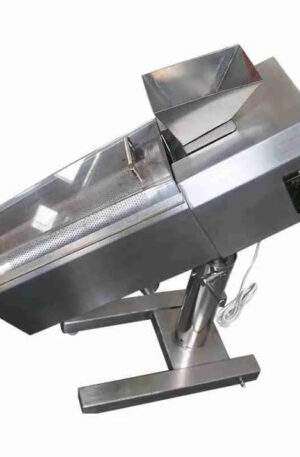
Table press machines, also known as tablet presses, are essential in the pharmaceutical industry for the manufacturing of tablets. These machines use compression force to form powdered ingredients into solid tablets of uniform size and shape. The Tablet Deduster Press (TDP) machine, for example, is widely used for its ability to produce tablets with high precision and consistency. The TDP machine ensures that each tablet meets the required quality standards, making it a valuable tool for pharmaceutical companies.
Similarly, capsule filling machines are instrumental in the production of capsules, which are a popular dosage form for medications. These machines automate the process of filling empty capsule shells with the required dosage of powdered or granulated ingredients. The Automatic Capsule Filling Machine, also known as the THDP machine, is highly efficient in filling capsules accurately and quickly. Pharmaceutical companies rely on capsule filling machines to streamline the production process and meet the demands of the market.
The adoption of pharmaceutical machinery has significantly impacted the efficiency and quality of pharmaceutical manufacturing. These machines have improved the speed of production, reduced human error, and ensured consistent product quality. By automating key processes in pharmaceutical manufacturing, such as tablet pressing and capsule filling, pharmaceutical machinery has transformed the industry.
In addition to enhancing manufacturing processes, pharmaceutical machinery has also contributed to innovation in drug delivery systems. Advanced technologies integrated into these machines enable the development of specialized drug formulations, such as controlled-release tablets and capsule-in-capsule products. Pharmaceutical companies leverage the capabilities of modern machinery to create novel drug delivery systems that improve patient compliance and therapeutic outcomes.
Furthermore, pharmaceutical machinery plays a crucial role in ensuring compliance with regulatory standards and quality control measures. The precision and accuracy of these machines allow pharmaceutical companies to meet strict guidelines for manufacturing pharmaceutical products. By utilizing cutting-edge pharmaceutical machinery, companies can uphold the highest levels of quality and safety in the production of medications.
In conclusion, pharmaceutical machinery, including table press machines and capsule filling machines, has revolutionized the healthcare industry by enhancing manufacturing processes, enabling innovation in drug delivery systems, and ensuring compliance with regulatory standards. The continuous advancements in pharmaceutical machinery contribute to the progress of modern medicine, ultimately benefiting patients and healthcare providers worldwide.