 Title: The Future of Pharmaceutical Machinery: Innovations and Trends
Pharmaceutical machinery plays a crucial role in the production and packaging of medicine. As the pharmaceutical industry continues to evolve, innovations in machinery have become increasingly important for improving efficiency, quality, and safety in drug manufacturing. In this article, we will explore the latest trends and advancements in pharmaceutical machinery, specifically focusing on table press machines, capsule filling machines, and the emerging technologies TDP and THDP.
Tablet press machines are essential equipment used in the production of pharmaceutical tablets. These machines compress powdered ingredients into solid tablets of uniform size and shape. Recent innovations in table press machines have led to the development of automatic and high-speed presses, which can significantly increase production output while maintaining product quality. Additionally, advancements in technology have allowed for the integration of features such as real-time monitoring and data collection, ensuring precise control over the tablet manufacturing process.
Capsule filling machines are another vital component of pharmaceutical machinery. These machines are used to fill empty gelatin or vegetarian capsules with powdered or liquid medication. Modern capsule filling machines are designed to improve productivity, accuracy, and hygiene in the production of capsules. Some of the latest models come equipped with advanced automation systems that can fill capsules at high speeds with minimal human intervention, reducing the risk of errors and contamination.
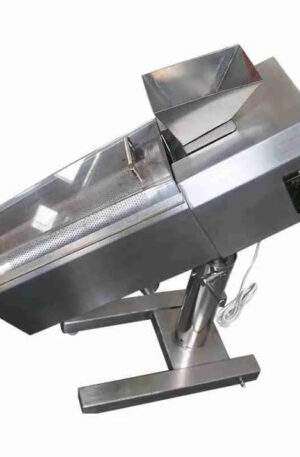
TDP (Tablet Deduster Machine) and THDP (Tablet Hardness Tester Machine) are two emerging technologies that are reshaping the landscape of pharmaceutical machinery. TDP machines are used to remove excess dust and debris from tablets after the compression process, ensuring a clean and polished final product. On the other hand, THDP machines are designed to measure the hardness of tablets, providing valuable data on the tablet’s mechanical strength and integrity. These technologies play a crucial role in quality control and assurance, helping pharmaceutical manufacturers maintain consistent product quality and compliance with regulatory standards.
In conclusion, the future of pharmaceutical machinery is driven by continuous innovation and technological advancements. Table press machines, capsule filling machines, and emerging technologies like TDP and THDP are shaping the way drugs are manufactured, ensuring efficiency, precision, and quality in the pharmaceutical industry. By staying abreast of the latest trends and embracing new technologies, pharmaceutical manufacturers can enhance their production processes and deliver safe and effective medications to patients worldwide.
 Title: The Role of Pharmaceutical Machinery in Drug Manufacturing