“The Evolution of Pharmaceutical Machinery: Advancements in Drug Manufacturing Technology”

Title: The Evolution of Pharmaceutical Machinery: Advancements in Drug Manufacturing Technology

In the fast-paced and ever-evolving world of pharmaceuticals, the role of machinery in drug manufacturing has undergone significant advancements over the years. From the early days of simple manual processes to the high-tech automated systems of today, pharmaceutical machinery has revolutionized the way drugs are produced and distributed.

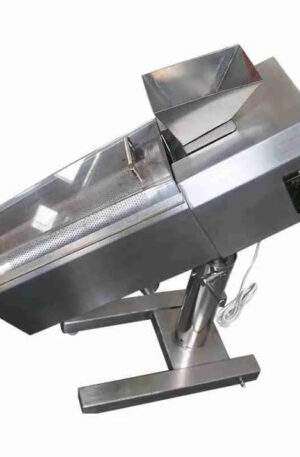
One of the most crucial pieces of equipment in drug manufacturing is the table press machine. This machine is used to compress powdered ingredients into tablets of uniform size and shape. With the introduction of the Tablet Deduster and Polisher (TDP) and Tablet Hardness Testing Machine (THDP), the efficiency and quality control of tablet production have greatly improved. The TDP removes any excess powder or debris from the tablets, while the THDP ensures that the tablets meet the required hardness specifications.

Another important piece of machinery in pharmaceutical manufacturing is the capsule filling machine. These machines are used to fill empty gelatin or vegetable capsules with precise amounts of powdered or liquid medication. With the development of advanced capsule filling technologies, such as automatic capsule fillers and capsule checkweighers, the speed and accuracy of capsule filling have been greatly enhanced. The integration of these technologies has not only increased production efficiency but also improved the overall quality of capsules.

In recent years, the pharmaceutical industry has seen a shift towards the use of more sophisticated and innovative machinery. Automation and robotics have become increasingly prevalent in drug manufacturing facilities, allowing for higher production volumes, improved precision, and reduced human error. From automated feeding systems to robotic packaging lines, these technological advancements have revolutionized the way drugs are manufactured on a large scale.

Furthermore, the integration of data analytics and artificial intelligence in pharmaceutical machinery has enabled real-time monitoring and optimization of manufacturing processes. By collecting and analyzing production data, manufacturers can identify inefficiencies, prevent equipment failures, and ensure consistent quality control. The use of smart sensors and predictive maintenance algorithms has also allowed for proactive maintenance scheduling, reducing downtime and maximizing machine efficiency.

In conclusion, the evolution of pharmaceutical machinery has transformed the way drugs are manufactured and distributed. From table press machines to capsule filling machines, pharmaceutical manufacturers have embraced technological advancements to improve production efficiency, quality control, and overall success in the industry. As the field continues to innovate, we can expect to see even more breakthroughs in drug manufacturing technology that will shape the future of pharmaceuticals.

“The Evolution of Pharmaceutical Machinery: Advancements in Drug Manufacturing Technology”

Title: The Evolution of Pharmaceutical Machinery: Advancements in Drug Manufacturing Technology

Pharmaceutical machinery plays a crucial role in the production of medications, providing the necessary equipment for drug formulation and manufacturing. Over the years, there have been significant advancements in pharmaceutical machinery, with innovations in technology improving efficiency, accuracy, and safety in the drug manufacturing process. In this article, we will explore the evolution of pharmaceutical machinery, focusing on key equipment such as table press machines, capsule filling machines, TDP, and THDP.

Table press machines are essential in the pharmaceutical industry for the compression of powdered ingredients into solid dosage forms such as tablets. These machines have evolved significantly from manual to automated systems, increasing production capacity and ensuring uniformity in tablet size and weight. Modern table press machines are equipped with advanced features such as real-time monitoring, adjustable compression force, and precise control over the tablet’s thickness and hardness.

Capsule filling machines are another critical component in pharmaceutical manufacturing, allowing for the accurate filling of powdered or granulated ingredients into capsules. The evolution of capsule filling machines has led to the development of high-speed, fully automated systems capable of filling thousands of capsules per hour. These machines are designed to minimize product wastage, reduce human error, and ensure consistent capsule filling across the production line.

The Tablet Deduster Machine (TDP) and Tablet Hardness Tester (THDP) are two examples of specialized equipment that have revolutionized the quality control process in pharmaceutical manufacturing. The TDP is used to remove excess powder and debris from tablets to improve their appearance and quality, while the THDP measures the hardness and durability of tablets to ensure they meet regulatory standards. These machines play a crucial role in maintaining product quality and compliance with industry regulations.

In conclusion, the evolution of pharmaceutical machinery has transformed the drug manufacturing process, enhancing efficiency, accuracy, and safety in the production of medications. Advancements in equipment such as table press machines, capsule filling machines, TDP, and THDP have revolutionized pharmaceutical manufacturing, enabling companies to produce high-quality drugs at scale. As technology continues to advance, we can expect further innovations in pharmaceutical machinery, driving continuous improvement in the industry.

“The Role of Pharmaceutical Machinery in Modern Medicine Manufacturing”

Title: “The Role of Pharmaceutical Machinery in Modern Medicine Manufacturing”

Pharmaceutical machinery plays a crucial role in the efficient and precise manufacturing of medications. Among the various machines utilized in pharmaceutical production, table press machines and capsule filling machines are integral to the process.

Table press machines, such as the Tablet Compression Machine (TDP) and the High-Speed Tablet Press (HSTP), are essential in converting powdered or granulated medication ingredients into solid tablets. The TDP, for example, operates by compressing the powdered mixture into a tablet form using a punch and die system. This machine ensures uniform tablet size, weight, and hardness, meeting quality standards for medication production. On the other hand, the HSTP is capable of high-speed production, increasing efficiency in large-scale pharmaceutical manufacturing.

Meanwhile, capsule filling machines are vital in encapsulating powdered or liquid medications. These machines come in various models, including automatic and semi-automatic versions. By efficiently filling precise amounts of medication into capsules, these machines enable pharmaceutical companies to produce standardized dosages for patients. One popular capsule filling machine is the T10 Capsule Filling Machine, known for its accuracy and efficiency in high-volume production.

In recent years, technological advancements have led to the development of the Tablet Deduster Polisher (THDP) machine, which plays a crucial role in pharmaceutical quality control. The THDP removes excess powder from tablets after compression, ensuring a smooth surface and eliminating potential defects. This machine enhances the overall appearance and quality of tablets, meeting regulatory requirements for pharmaceutical products.

The integration of table press machines, capsule filling machines, and advanced technologies like the THDP has revolutionized the pharmaceutical manufacturing industry. These machines contribute to the production of high-quality medications that adhere to strict regulatory standards. With precision, efficiency, and consistency, pharmaceutical machinery plays a vital role in ensuring the safety and efficacy of modern medicine.

In conclusion, pharmaceutical machinery, including table press machines, capsule filling machines, and innovative technologies like the THDP, are indispensable in the manufacturing process of medications. These machines enable pharmaceutical companies to produce high-quality and standardized drugs that meet regulatory requirements. As technology continues to advance, the role of pharmaceutical machinery in modern medicine manufacturing will continue to evolve, driving innovation in the pharmaceutical industry.

“The Evolution of Pharmaceutical Machinery: Advancements in Drug Manufacturing Technology”

Title:
“The Evolution of Pharmaceutical Machinery: Advancements in Drug Manufacturing Technology”

Article:
The pharmaceutical industry has been witnessing remarkable progress in drug manufacturing technology, with a significant focus on the development and enhancement of pharmaceutical machinery. In particular, the evolution of machinery such as table press machines, capsule filling machines, TDP (Tablet Press Machine), and THDP (Tablet Hardness Testing Machine) has revolutionized the way medications are produced.

Table press machines play a crucial role in the pharmaceutical manufacturing process. These machines are used to compress powder or granular ingredients into tablets of specific shapes and sizes. Over the years, advancements in table press technology have led to the development of high-speed, precision machines that can produce a large volume of tablets efficiently. The introduction of automated features in modern table press machines has significantly increased the accuracy and speed of tablet production, leading to improved productivity in pharmaceutical companies.

Capsule filling machines have also undergone substantial improvements in recent years. These machines are used to fill empty gelatin capsules with the desired medication. With the integration of advanced technology, modern capsule filling machines can accurately fill capsules with precise amounts of active ingredients, ensuring uniformity in dosage. The automation and computerized controls in these machines have reduced human error and increased the overall efficiency of the capsule filling process.

TDP (Tablet Press Machine) and THDP (Tablet Hardness Testing Machine) are two other essential pieces of pharmaceutical machinery that have experienced significant advancements. TDP machines are used to press powders into tablets with the required hardness and thickness. These machines have evolved to incorporate features such as real-time monitoring of tablet compression parameters, ensuring the production of high-quality tablets. On the other hand, THDP machines are used to measure the hardness of tablets, ensuring consistency in the quality of the final product. Recent developments in THDP technology have led to the integration of precise sensors and data analysis capabilities, enhancing the accuracy and reliability of tablet hardness testing.

In conclusion, the continuous evolution of pharmaceutical machinery, including table press machines, capsule filling machines, TDP, and THDP, has played a vital role in improving the efficiency, accuracy, and quality of drug manufacturing processes. As technology continues to advance, pharmaceutical companies can expect further innovations in machinery that will drive the industry towards greater excellence in drug production.

“The Evolution of Pharmaceutical Machinery: Advancements in Drug Manufacturing Technology”

Title: “The Evolution of Pharmaceutical Machinery: Advancements in Drug Manufacturing Technology”

Pharmaceutical machinery has played a vital role in the development and production of drugs over the years. The evolution of pharmaceutical machinery has significantly streamlined the drug manufacturing process, leading to increased efficiency and improved quality control. Two key machines that have revolutionized the pharmaceutical industry are the table press machine and the capsule filling machine.

The table press machine, also known as the tablet press machine, is a fundamental piece of equipment in drug manufacturing. It is used to compress powder formulations into solid tablets of uniform size and weight. The development of the table press machine has enabled pharmaceutical companies to mass-produce tablets efficiently and accurately, meeting the high demand for oral dosage forms. Modern table press machines, such as the TDP (Tablet Press) and THDP (High-Speed Tablet Press), offer enhanced features like automatic feeding systems, adjustable compression force, and real-time monitoring capabilities, further improving production efficiency and output quality.

On the other hand, capsule filling machines have become indispensable in the production of capsules, a popular dosage form for many medications. These machines automate the process of filling empty capsule shells with the desired drug formulations, ensuring precise dosing and consistent quality. Advanced capsule filling machines feature high-speed operation, modular design for easy cleaning and maintenance, and sophisticated mechanisms for detecting and rejecting defective capsules. Pharmaceutical companies rely on capsule filling machines to increase production capacity and meet the diverse requirements of different drug formulations.

Overall, the continuous advancements in pharmaceutical machinery, such as table press machines and capsule filling machines, have revolutionized drug manufacturing processes. The integration of automation, precision engineering, and innovative technologies has not only enhanced production efficiency but also improved the overall quality and safety of pharmaceutical products. As the pharmaceutical industry continues to evolve, the role of advanced machinery in ensuring drug quality, efficacy, and patient safety will remain pivotal in the years to come.

“The Evolution of Pharmaceutical Machinery: Advancements in Drug Manufacturing Technology”

Title: The Evolution of Pharmaceutical Machinery: Advancements in Drug Manufacturing Technology

In the ever-evolving world of pharmaceuticals, the machinery used in drug manufacturing plays a crucial role in ensuring the quality, efficiency, and safety of medications. One of the key pieces of equipment in pharmaceutical production is the table press machine, which is used to compress powdered ingredients into tablets of uniform size and shape. Over the years, the table press machine has undergone significant advancements, leading to improved tablet production processes.

Another essential machine in drug manufacturing is the capsule filling machine. This machine automates the process of filling empty capsule shells with the desired medication, ensuring precise dosage and consistency. Advancements in capsule filling technology, such as the introduction of automatic filling systems and improved accuracy in dosing, have revolutionized the way capsules are produced in the pharmaceutical industry.

The Tablet Deduster Machine (TDP) and the Tablet Hardness Tester Machine (THDP) are two other vital pieces of equipment in pharmaceutical manufacturing. The TDP is used to remove excess dust and debris from tablets, ensuring a clean and polished final product. On the other hand, the THDP measures the hardness of tablets to verify their quality and stability. Both machines contribute to the overall quality control process in drug manufacturing.

In recent years, the pharmaceutical machinery industry has witnessed rapid advancements driven by technological innovations. Manufacturers are incorporating features such as automation, data connectivity, and real-time monitoring into their machines to enhance efficiency and product quality. These technological advancements have not only improved the speed and accuracy of drug manufacturing processes but also enabled pharmaceutical companies to meet regulatory requirements and industry standards more effectively.

Overall, the evolution of pharmaceutical machinery has had a significant impact on drug manufacturing technology, enhancing the efficiency, quality, and safety of medications. With continuous research and innovation in the field of pharmaceutical engineering, we can expect further advancements in machinery that will shape the future of drug production and healthcare delivery.

“The Revolution of Pharmaceutical Machinery: Advancements in Manufacturing Technology”

Title: “The Revolution of Pharmaceutical Machinery: Advancements in Manufacturing Technology”

In the ever-evolving world of pharmaceuticals, the technological advancements in manufacturing machinery have brought about a revolution in the production processes. Among the key players in this revolution are the table press machine, capsule filling machine, TDP (Tablet Press) machine, and THDP (Tablet Hardness Testing) machine. These innovative machines have significantly improved the efficiency, accuracy, and quality of pharmaceutical manufacturing.

The table press machine, also known as a tablet press machine, is a vital equipment used in the pharmaceutical industry to compress powder into tablets of uniform size and shape. This machine operates by exerting pressure on the powder through the use of punches and dies. With the latest advancements, modern table press machines are equipped with digital controls, automatic feeding systems, and real-time monitoring capabilities, making the tablet production process more precise and efficient than ever before.

On the other hand, the capsule filling machine plays a crucial role in encapsulating pharmaceutical ingredients into gelatin or vegetable-based capsules. These machines have evolved to feature high-speed filling mechanisms, precise dosing systems, and automatic capsule sorting functions. By integrating advanced technologies such as computerized filling controls and self-cleaning mechanisms, modern capsule filling machines ensure the accurate and hygienic production of capsules in pharmaceutical facilities.

In the realm of tablet manufacturing, the TDP machine has emerged as a game-changer. The TDP machine offers high-speed production capabilities, customizable tablet shapes, and consistent tablet weight control. Furthermore, the integration of data logging and quality control systems in TDP machines has enhanced the tracking and validation of manufacturing processes, ensuring compliance with regulatory standards.

Moreover, the THDP machine, designed for hardness testing of tablets, has become an indispensable tool in pharmaceutical quality control. By measuring the hardness, thickness, and diameter of tablets, the THDP machine provides valuable insights into the mechanical strength and disintegration properties of pharmaceutical products. The latest THDP machines are equipped with automated testing procedures, user-friendly interfaces, and data analysis capabilities, enabling pharmaceutical manufacturers to ensure the uniformity and integrity of their tablet formulations.

In conclusion, the advancements in pharmaceutical machinery, including the table press machine, capsule filling machine, TDP machine, and THDP machine, have revolutionized the manufacturing processes in the pharmaceutical industry. These innovative machines have not only increased production efficiency and product quality but also facilitated compliance with regulatory requirements. As technology continues to progress, the future of pharmaceutical manufacturing holds endless possibilities for further improvements in machinery and production processes.

“The Evolution of Pharmaceutical Machinery: Advancements in Drug Manufacturing Technology”

Title: The Evolution of Pharmaceutical Machinery: Advancements in Drug Manufacturing Technology

From the ancient art of alchemy to the modern world of pharmaceuticals, the evolution of drug manufacturing technology has been nothing short of remarkable. One of the key components in this evolution has been the development of pharmaceutical machinery, such as the table press machine and capsule filling machine. These machines have revolutionized the way drugs are produced and have played a crucial role in ensuring the safety and efficacy of medications.

One of the most important pieces of pharmaceutical machinery is the table press machine. This machine is used to compress powdered ingredients into solid tablets that are easy to package, store, and consume. The table press machine operates by exerting pressure on the powder using a set of punches and dies, forming tablets of uniform size and shape. This process, known as tableting, allows for precise dosing of medications and ensures that each tablet contains the correct amount of active ingredient.

Another essential piece of pharmaceutical machinery is the capsule filling machine. Capsules are a popular dosage form for many medications, as they are easy to swallow and can contain a wide range of formulations. The capsule filling machine automates the process of filling empty capsules with powdered or liquid medication. This ensures accurate dosing and allows for the production of large quantities of capsules in a short amount of time. The use of capsule filling machines has streamlined the manufacturing process and improved the efficiency of drug production.

In recent years, advancements in pharmaceutical machinery have led to the development of innovative technologies such as the TDP (Tablet Press) and THDP (Three-head Dosing Pump) machines. The TDP machine is a high-speed rotary tablet press that is capable of producing large quantities of tablets in a short period of time. This machine is used in large-scale pharmaceutical manufacturing facilities to meet the demand for high-volume production. On the other hand, the THDP machine is a versatile dosing pump system that allows for precise dosing of multiple ingredients in the production of complex formulations. This machine is particularly useful in the development of personalized medicines and specialty pharmaceutical products.

In conclusion, the evolution of pharmaceutical machinery has been instrumental in advancing drug manufacturing technology and improving the quality of medications. The table press machine, capsule filling machine, TDP, and THDP machines have revolutionized the way drugs are produced, making the process more efficient, cost-effective, and safe. As technology continues to advance, we can expect to see even more innovations in pharmaceutical machinery that will further enhance the field of drug manufacturing and improve patient outcomes.

“The Evolution of Pharmaceutical Machinery: Advances in Drug Manufacturing Technology”

Title: “The Evolution of Pharmaceutical Machinery: Advances in Drug Manufacturing Technology”

In the fast-paced world of pharmaceuticals, advancements in drug manufacturing technology have revolutionized the way medications are produced. One pivotal aspect of this progress is the development of sophisticated pharmaceutical machinery. From early table press machines to modern capsule filling equipment like the TDP and THDP models, the evolution of these machines has dramatically improved efficiency, precision, and product quality in the pharmaceutical industry.

The history of pharmaceutical machinery dates back centuries, with the invention of the table press machine being a significant milestone. Table press machines, also known as tablet presses, are essential in the production of solid dosage forms such as tablets and pills. These machines work by compressing powdered ingredients into compact tablets of precise weight and dimensions. The innovation of table press machines revolutionized the mass production of pharmaceuticals, enabling manufacturers to produce standardized medications quickly and efficiently.

As the demand for different dosage forms increased, the development of capsule filling machines became crucial. Capsule filling machines automate the process of filling empty capsules with powdered or granulated medication. The introduction of capsule filling machines like the TDP (Tableting Direct Press) and THDP (Tableting High-Speed Direct Press) models marked a significant advancement in drug manufacturing technology. These machines offer higher production speeds, improved accuracy, and reduced wastage compared to traditional manual capsule filling methods.

The TDP model, for instance, is known for its compact design and ease of operation, making it suitable for small to medium-scale pharmaceutical manufacturing. Its ability to produce tablets with consistent weight and hardness ensures product quality and uniformity. On the other hand, the THDP model is designed for high-speed production, catering to the demands of large-scale pharmaceutical companies. Its advanced features, such as automatic weight control and batch monitoring, optimize production efficiency and quality control.

In addition to table press and capsule filling machines, other pharmaceutical machinery such as mixers, granulators, and coating machines play vital roles in drug manufacturing processes. These machines work in tandem to mix, granulate, and coat pharmaceutical ingredients, ensuring the desired characteristics and qualities of the final product.

Overall, the evolution of pharmaceutical machinery has transformed the landscape of drug manufacturing, making the production process more precise, efficient, and standardized. Advancements in technologies such as table press machines, capsule filling machines like the TDP and THDP models, and other auxiliary equipment have propelled the pharmaceutical industry towards higher levels of productivity and quality assurance. As technology continues to advance, the future of pharmaceutical machinery promises even greater innovation and optimization in drug manufacturing processes.

“The Evolution of Pharmaceutical Machinery: Advancements in Drug Manufacturing Technology”

Title: The Evolution of Pharmaceutical Machinery: Advancements in Drug Manufacturing Technology

In the realm of pharmaceutical manufacturing, the development of machinery plays a crucial role in ensuring the efficiency and precision of drug production. Over the years, significant advancements have been made in the design and functionality of pharmaceutical machinery, leading to improved processes and enhanced product quality. Two key pieces of equipment that have revolutionized drug manufacturing are the table press machine and the capsule filling machine.

The table press machine, also known as a tablet press, is a vital component in the production of oral solid dosage forms. This machine is responsible for compressing powdered ingredients into solid tablets of uniform size and weight. Through the use of advanced technology, modern table press machines are equipped with features such as automated weight control and real-time monitoring systems, ensuring the consistent production of high-quality tablets. The introduction of technologies like TDP (Tablet Deduster Press) and THDP (Tablet Hardness Testing) has further enhanced the efficiency and accuracy of the tablet compression process.

On the other hand, the capsule filling machine has transformed the manufacturing of capsule medications. These machines automate the process of filling empty capsules with precise amounts of powdered or granular substances, streamlining production and minimizing human error. With the integration of advanced control systems and high-speed mechanisms, modern capsule filling machines can fill hundreds of capsules per minute with unparalleled accuracy and efficiency. The development of technologies like TDP (Tablet Deduster Press) and THDP (Tablet Hardness Testing) has revolutionized the way capsule manufacturing is carried out, leading to increased productivity and product quality.

Overall, the evolution of pharmaceutical machinery, particularly the table press machine and capsule filling machine, has significantly impacted the drug manufacturing industry. These advancements have not only improved the efficiency and accuracy of drug production processes but have also contributed to the overall quality and safety of pharmaceutical products. As technology continues to advance, it is expected that pharmaceutical machinery will become even more sophisticated, further revolutionizing the way drugs are manufactured and distributed worldwide.