Title: Revolutionizing Pharmaceutical Manufacturing: The Role of Pharmaceutical Machinery
Pharmaceutical manufacturing has undergone a significant transformation in recent years, thanks to advancements in pharmaceutical machinery. In this process, machines such as table press machines and capsule filling machines play a crucial role in ensuring efficiency and precision. Among these machines, the Tablet Press Machine (TPM) and Tablet Capsule Filling Machine (TCFM) have become essential tools in the production of pharmaceutical products.
The Table Press Machine (TPM) is a key piece of equipment in pharmaceutical manufacturing processes. It plays a vital role in the compression of powdered ingredients into tablet form. By exerting high-pressure forces, the TPM ensures that tablets are formed with the correct density, thickness, and weight. This precision is essential to guarantee the efficacy and safety of the final pharmaceutical product. Modern TPMs are equipped with advanced features such as automatic feeding systems, digital controls, and data monitoring capabilities, allowing for efficient and consistent tablet production.
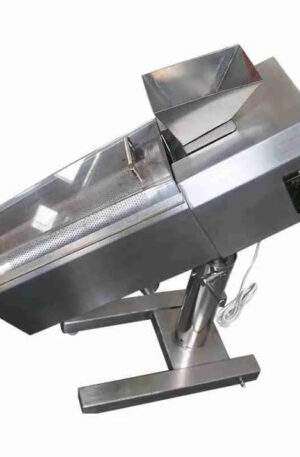
Another indispensable machine in pharmaceutical manufacturing is the Capsule Filling Machine (CFM). This machine automates the process of filling empty gelatin capsules with powdered or granulated ingredients. The CFM ensures accurate dosing of active pharmaceutical ingredients, excipients, and fillers, resulting in uniform and consistent capsule formulations. The development of technologies such as automatic capsule loading, weight monitoring systems, and interchangeable parts has made CFMs highly efficient and versatile in pharmaceutical production lines.
One notable innovation in pharmaceutical machinery is the introduction of the Tableting Direct Compression Process (TDP) and the Tableting High-Depth Process (THDP). TDP involves the direct compression of dry powder blends into tablets without the need for granulation or intermediate processing steps. This method offers advantages in terms of reduced production time, lower energy consumption, and improved product quality. On the other hand, THDP allows for the compression of tablets with higher depths, enabling the manufacturing of complex and multi-layered tablets with controlled release properties.
In conclusion, pharmaceutical machinery such as table press machines and capsule filling machines are revolutionizing the way pharmaceutical products are manufactured. The adoption of advanced technologies like TDP and THDP is enhancing efficiency, quality, and precision in pharmaceutical manufacturing processes. As the industry continues to evolve, the role of pharmaceutical machinery will remain pivotal in meeting the increasing demand for safe and effective pharmaceutical products.
This article highlights how advancements in pharmaceutical machinery, including table press machines and capsule filling machines, are transforming the pharmaceutical manufacturing industry. Innovations such as the Tableting Direct Compression Process (TDP) and the Tableting High-Depth Process (THDP) are driving efficiency and precision in the production of pharmaceutical products.