Title: The Evolution of Pharmaceutical Machinery: Advancements and Impact on Drug Manufacturing
Pharmaceutical machinery has played a pivotal role in the development and production of life-saving drugs. Over the years, significant advancements have been made in this field, revolutionizing the way medications are manufactured. Two key machines that have contributed to this evolution are the tablet press machine and the capsule filling machine.
The tablet press machine, commonly known as a rotary tablet press, is a vital piece of equipment in pharmaceutical manufacturing. It is used to compress powdered ingredients into tablets of uniform size and shape. The machine operates by exerting high pressure on the powder, causing it to compact and form tablets. Modern tablet press machines come in various models, such as the TDP (Tablet Press Machine) and THDP (High-Speed Tablet Press Machine), each offering unique features to meet the specific requirements of drug manufacturers.
Tablet press machines have significantly improved the efficiency and speed of drug manufacturing processes. They allow for precise control over the tablet’s weight, hardness, and disintegration properties, ensuring consistent quality in every batch produced. Additionally, the automation capabilities of these machines have reduced the risk of human error and contamination, leading to safer and more reliable drug production.
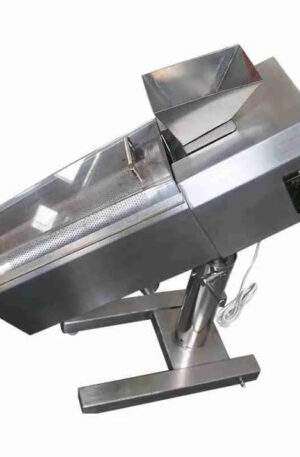
On the other hand, capsule filling machines have also played a crucial role in pharmaceutical manufacturing. These machines are designed to fill empty capsules with pre-measured doses of powdered or liquid medications. By automating the capsule filling process, manufacturers can increase production output and reduce labor costs. Like tablet press machines, capsule filling machines have evolved to offer higher speeds, improved accuracy, and enhanced efficiency.
The integration of advanced technologies, such as computerized controls and data monitoring systems, has further enhanced the performance of pharmaceutical machinery. Real-time monitoring of production parameters allows manufacturers to identify and rectify any deviations promptly, ensuring product quality and compliance with regulatory standards. Additionally, the use of precision dosing systems and innovative material handling techniques in modern pharmaceutical machinery has minimized waste and optimized resource utilization.
In conclusion, the evolution of pharmaceutical machinery, particularly the advancements in tablet press and capsule filling machines, has had a profound impact on drug manufacturing. These machines have not only improved the efficiency and accuracy of production processes but have also ensured the safety and quality of medications. As technology continues to advance, we can expect further innovations in pharmaceutical machinery to meet the evolving needs of the healthcare industry.