Title: The Role of Pharmaceutical Machinery in Drug Manufacturing Article Content: Introduction: Pharmaceutical machinery plays a crucial role in the drug manufacturing process, ensuring the quality, efficiency, and safety of pharmaceutical products. This article will delve into the different types of pharmaceutical machinery, their functions, and their impact on the pharmaceutical industry. Types of Pharmaceutical Machinery: 1. Tablet Press Machine: Tablet press machines are used to compress powdered ingredients into tablets. They come in various designs, such as single-punch, rotary tablet press, and high-speed tablet press, each with specific features to meet different production needs. 2. Blister Packing Machine: Blister packing machines are essential for packaging tablets, capsules, and other solid dosage forms. These machines form cavities in a flat sheet of material, fill them with the product, and seal them with a lidding material to ensure product safety and integrity. 3. Liquid Filling Machine: Liquid filling machines are used to fill bottles, vials, and containers with liquid pharmaceutical products. They ensure accurate filling volumes, prevent contamination, and improve production efficiency. 4. Capsule Filling Machine: Capsule filling machines are employed to fill empty capsules with powdered or liquid formulations. They come in manual, semi-automatic, and automatic models, providing flexibility and precision in capsule filling operations. Impact of Pharmaceutical Machinery: 1. Precision and Accuracy: Pharmaceutical machinery enables precise control over the manufacturing process, ensuring accurate dosing and formulation consistency. This precision is crucial for maintaining product quality and meeting regulatory standards. 2. Efficiency and Productivity: By automating various manufacturing processes, pharmaceutical machinery enhances efficiency and productivity, leading to faster production speeds and reduced production costs. This increase in efficiency allows pharmaceutical companies to meet market demand effectively. 3. Safety and Compliance: Pharmaceutical machinery helps ensure product safety by minimizing human intervention in the manufacturing process. Automated machinery reduces the risk of errors, contamination, and cross-contamination, enhancing product quality and compliance with regulatory requirements. Conclusion: In conclusion, pharmaceutical machinery plays a vital role in drug manufacturing by improving precision, efficiency, and safety in the production process. The continuous advancement of pharmaceutical machinery technology will drive innovation in the pharmaceutical industry and contribute to the development of high-quality pharmaceutical products for consumers worldwide.

Title: The Role of Pharmaceutical Machinery in Drug Manufacturing

Pharmaceutical machinery is a cornerstone of the drug manufacturing process, playing a pivotal role in ensuring the quality, efficiency, and safety of pharmaceutical products. Among the various types of pharmaceutical machinery, the tablet press machine and capsule filling machine stand out as essential tools in the production of tablets and capsules.

The tablet press machine, also known as a tablet compression machine, is a key equipment used in the pharmaceutical industry to compress powdered ingredients into tablets of specific shapes and sizes. Different types of tablet press machines, such as single-punch, rotary tablet press, and high-speed tablet press, serve various production requirements, from small-scale to high-volume manufacturing. The Tablet Deduster Machine (TDP) and Tablet Hardness Tester (THDP) are often integrated into tablet press lines to ensure the quality and consistency of tablet production. The TDP removes excess powder from the compressed tablets, while the THDP measures the hardness and thickness of the tablets to meet quality control standards.

On the other hand, capsule filling machines are indispensable for filling empty capsules with powdered or liquid formulations. These machines come in manual, semi-automatic, and automatic models, each offering different levels of production capacity and precision. Capsule filling machines streamline the filling process, ensuring accurate dosing and minimizing product wastage. The integration of advanced technologies, such as automatic capsule filling machines with electronic controls and servo motors, has further enhanced the efficiency and accuracy of capsule filling operations.

The impact of pharmaceutical machinery, including tablet press machines and capsule filling machines, extends beyond the manufacturing process. These machines enable pharmaceutical companies to achieve precision and accuracy in formulation, leading to consistent product quality and compliance with regulatory standards. Moreover, the automation of manufacturing processes through pharmaceutical machinery enhances production efficiency, reduces production costs, and accelerates time-to-market for new products.

In conclusion, pharmaceutical machinery such as tablet press machines and capsule filling machines plays a vital role in drug manufacturing by improving precision, efficiency, and safety in the production process. The integration of advanced technologies and innovative solutions in pharmaceutical machinery will continue to drive progress in the pharmaceutical industry, paving the way for the development of high-quality pharmaceutical products that meet the evolving needs of consumers worldwide.

Title: “Revolutionizing Pharmaceutical Manufacturing: The Role of Pharmaceutical Machinery” Article Content: The pharmaceutical industry is constantly evolving and advancing to meet the growing demand for safe and effective drugs. One crucial aspect of pharmaceutical manufacturing is the use of advanced pharmaceutical machinery. These machines play a key role in various stages of drug production, from raw material processing to packaging and quality control. First and foremost, pharmaceutical machinery ensures the efficiency and precision of drug manufacturing processes. High-speed mixers, granulators, and tablet presses are examples of equipment used to effectively and consistently produce pharmaceutical tablets. These machines help to streamline the production process, minimize errors, and increase productivity. Moreover, pharmaceutical machinery also plays a significant role in maintaining the quality and safety of pharmaceutical products. Automatic inspection systems are used to detect any defects or contaminants in the final drug products, ensuring that only high-quality drugs reach the market. In addition, packaging machines are designed to securely seal and label pharmaceutical products, protecting them from external factors that could compromise their efficacy. Furthermore, the use of advanced pharmaceutical machinery contributes to the overall cost-effectiveness of drug manufacturing. By automating repetitive tasks and reducing the need for manual labor, these machines help pharmaceutical companies save time and resources. This, in turn, allows for the production of drugs at a faster rate and lower cost, making them more accessible to patients in need. In conclusion, pharmaceutical machinery is an indispensable part of the pharmaceutical manufacturing process, playing a crucial role in ensuring the efficiency, quality, and cost-effectiveness of drug production. As the pharmaceutical industry continues to innovate and develop new drugs, the importance of advanced machinery in drug manufacturing cannot be overstated.

Title: “Revolutionizing Pharmaceutical Manufacturing: The Role of Pharmaceutical Machinery”

The pharmaceutical industry has witnessed significant advancements in recent years, with a key driving force behind these innovations being the utilization of cutting-edge pharmaceutical machinery. From the initial stages of drug formulation to the final packaging and quality control processes, pharmaceutical machinery plays a vital role in ensuring the efficiency, precision, and safety of pharmaceutical manufacturing operations.

One of the most essential pieces of equipment in pharmaceutical machinery is the tablet press machine. This device is instrumental in the production of pharmaceutical tablets, as it is responsible for compressing powdered drug ingredients into compact and uniform tablets. The tablet press machine ensures that each tablet meets the required specifications for weight, size, and hardness, essential for consistent dosing and effectiveness of the medication.

In addition to tablet press machines, capsule filling machines are also widely used in pharmaceutical manufacturing. These machines automate the process of filling empty gelatin capsules with precise amounts of powdered or granulated drug substances. By utilizing capsule filling machines, pharmaceutical companies can increase production efficiency and accuracy while reducing the risk of human error in the filling process.

Two popular types of tablet press machines commonly used in the pharmaceutical industry are the TDP (Tablet Press) and THDP (High-Speed Tablet Press). The TDP machine is known for its versatility and reliability in producing a wide range of tablets, making it a preferred choice for small to medium-scale pharmaceutical manufacturers. On the other hand, the THDP machine is designed for high-speed production, capable of producing large quantities of tablets in a shorter timeframe, ideal for high-volume pharmaceutical production facilities.

The integration of advanced pharmaceutical machinery in drug manufacturing not only enhances production efficiency but also plays a crucial role in maintaining the quality and safety of pharmaceutical products. These machines are equipped with advanced features such as automatic inspection systems that detect and reject defective or contaminated tablets, ensuring that only high-quality products reach the market. Additionally, pharmaceutical machinery contributes to cost-effectiveness by minimizing production time, reducing manual labor requirements, and maximizing output capacity.

In conclusion, the role of pharmaceutical machinery, including tablet press machines, capsule filling machines, TDP, and THDP machines, cannot be overstated in revolutionizing pharmaceutical manufacturing. These innovative technologies have significantly improved the efficiency, precision, and quality of drug production, paving the way for the development of safe and effective medications to meet the healthcare needs of patients worldwide.

“The Evolution of Pharmaceutical Machinery: Advancements and Impact on Drug Production”

Title: “The Evolution of Pharmaceutical Machinery: Advancements and Impact on Drug Production”

In the pharmaceutical industry, the use of advanced machinery plays a pivotal role in the production of drugs. Over the years, pharmaceutical machinery has undergone significant advancements, leading to improvements in efficiency, precision, and overall drug quality. Two key machines that have transformed drug manufacturing processes are the table press machine and the capsule filling machine.

The table press machine, also known as a tablet press or tablet compression machine, is essential for the production of tablets. It works by compressing powders into solid tablets of uniform size and weight. The introduction of modern table press machines has greatly enhanced the speed and accuracy of tablet production. Traditional manual tablet presses have been replaced by automated high-speed machines, such as the TDP (Tabletting, Dual Compression, Pressure) and THDP (Triple Head Double Press) machines, which can produce thousands of tablets per hour with minimal human intervention.

On the other hand, capsule filling machines are used to fill empty gelatin capsules with powdered or liquid medications. These machines have evolved to meet the increasing demands of the pharmaceutical industry. Modern capsule filling machines are designed to fill capsules with precise dosages, ensuring consistency in drug potency. They are equipped with advanced technology, such as automatic capsule orientation, filling, and sealing mechanisms, to streamline the production process.

The advancements in table press and capsule filling machines have had a profound impact on drug production. The efficiency and reliability of these machines have helped pharmaceutical companies meet the growing demand for medications while maintaining high quality standards. By automating the tablet and capsule manufacturing processes, these machines have reduced the risk of human error and contamination, resulting in safer and more consistent drug products.

In conclusion, the evolution of pharmaceutical machinery, particularly table press and capsule filling machines, has revolutionized drug manufacturing processes. The technological advancements in these machines have increased production efficiency, improved drug quality, and ensured regulatory compliance. As the pharmaceutical industry continues to innovate, the development of new and improved machinery will further enhance drug production capabilities, ultimately benefiting patients worldwide.

“The Evolution of Pharmaceutical Machinery: Innovations and Impact”

Title: “The Evolution of Pharmaceutical Machinery: Innovations and Impact”

Pharmaceutical machinery plays a crucial role in the production of medicines, ensuring the efficiency, accuracy, and safety of the manufacturing process. Over the years, advancements in technology have led to the development of sophisticated equipment that has revolutionized the pharmaceutical industry. Two key pieces of equipment that have significantly contributed to this evolution are the table press machine and the capsule filling machine.

The table press machine, also known as a tablet press or pill press, is an essential tool in pharmaceutical manufacturing. It is used to compress powdered ingredients into solid tablets of consistent size and weight. The evolution of table press machines can be seen in the transition from manual to semi-automatic and fully automatic models. Manual table presses required operators to manually fill the powder into the molds and compress them, leading to inconsistencies in tablet quality. However, with the advent of semi-automatic and fully automatic table press machines, the process became more efficient, precise, and reproducible. Modern table press machines offer features such as adjustable compression force, speed control, and accurate dosing systems, enhancing the overall manufacturing process.

Similarly, capsule filling machines have also undergone significant advancements. These machines are used to fill empty capsules with powdered, granulated, or liquid medications. Traditional capsule filling machines were labor-intensive and prone to errors. However, with the introduction of technologies such as the TDP (Tablet Deduster Press) and THDP (Tablet Hardness Tester), capsule filling machines have become more automated, efficient, and accurate. TDP machines are used to remove excess powder from the tablets before packaging, ensuring uniformity and cleanliness. On the other hand, THDP machines measure the hardness of tablets to ensure they meet the required standards for dissolution and absorption in the body.

The impact of these technological advancements in pharmaceutical machinery is far-reaching. Improved efficiency and accuracy in the manufacturing process have led to higher quality medications, reduced production costs, and increased productivity. Additionally, the use of advanced machinery has enhanced safety standards in pharmaceutical facilities, reducing the risk of contamination and human error.

In conclusion, the evolution of pharmaceutical machinery, particularly table press machines and capsule filling machines, has significantly transformed the way medicines are manufactured. With continuous advancements in technology, pharmaceutical manufacturers can expect further improvements in efficiency, accuracy, and safety, ultimately benefiting the healthcare industry and patients worldwide.

Title: “Revolutionizing Pharmaceutical Production: The Role of Pharmaceutical Machinery”

In the pharmaceutical industry, the advancement of technology has greatly impacted the efficiency and quality of drug production. One of the key components transforming pharmaceutical production is the implementation of pharmaceutical machinery. This article will explore how table press machines, capsule filling machines, and the evolving technologies of TDP and THDP are revolutionizing pharmaceutical manufacturing processes.

Table press machines are essential in the pharmaceutical industry for the compression of medications into solid tablets. These machines utilize high pressure to compact powdered or granulated materials into precise tablet forms. The efficiency and accuracy of table press machines have significantly increased the speed of tablet production, ensuring consistent dosages and quality in pharmaceutical products.

Another critical piece of pharmaceutical machinery is the capsule filling machine. These automated systems fill empty capsules with the appropriate dosage of medication, providing a convenient and standardized method of drug delivery. Capsule filling machines streamline the production process, allowing pharmaceutical companies to produce a large volume of capsules efficiently and accurately.

The introduction of technologies like TDP (Tablet Deduster Machine) and THDP (Tablet Hardness Tester Machine) has further enhanced pharmaceutical manufacturing processes. TDP machines remove excess powder from newly pressed tablets, ensuring a clean and polished final product. On the other hand, THDP machines measure the hardness and durability of tablets, guaranteeing consistency in tablet quality and performance.

The integration of these advanced pharmaceutical machines has revolutionized drug manufacturing by increasing efficiency, precision, and product quality. The use of table press machines and capsule filling machines has enabled pharmaceutical companies to meet the growing demand for medications while maintaining high standards of quality control.

Furthermore, the adoption of TDP and THDP technologies has optimized the production process, reducing waste and enhancing the overall quality of pharmaceutical products. These machines play a crucial role in ensuring that medications meet regulatory standards and are safe for consumption.

In conclusion, pharmaceutical machinery such as table press machines, capsule filling machines, TDP, and THDP have transformed the landscape of pharmaceutical production. By integrating these advanced technologies, pharmaceutical companies can streamline manufacturing processes, improve drug quality, and meet the increasing demands of the healthcare industry. The future of pharmaceutical manufacturing lies in the continued innovation and utilization of cutting-edge machinery to drive efficiency and excellence in drug production.

Title: Advancements in Pharmaceutical Machinery

Title: Advancements in Pharmaceutical Machinery

In the ever-evolving pharmaceutical industry, the development of advanced machinery plays a crucial role in enhancing efficiency and ensuring the quality of pharmaceutical products. Two key pieces of equipment that have revolutionized the production process are the table press machine and the capsule filling machine.

The table press machine, also known as a tablet press or pill press, is a mechanical device that compresses powder into tablets of uniform size and weight. It is a vital component in the manufacturing of oral solid dosage forms such as tablets and pills. The evolution of table press machines has seen the integration of cutting-edge technologies to improve accuracy, speed, and overall productivity. With features like automated feeding systems, digital controls, and real-time monitoring, modern table press machines offer precise control over the compression process, leading to consistent product quality.

On the other hand, capsule filling machines are used to fill empty capsules with pharmaceutical powders or granules. These machines come in various types, including manual, semi-automatic, and fully automatic models. The development of high-speed capsule filling machines has significantly increased production capacity while maintaining high levels of accuracy and reliability. Advanced capsule filling machines, such as the TDP (Tablet Deduster and Polisher) and THDP (Tablet Hardness Tester and Thickness Tester), offer additional functionalities to ensure the quality and integrity of the capsules produced.

The introduction of computerized systems and integration of quality control mechanisms have made table press and capsule filling machines more efficient and user-friendly. Operators can now monitor and adjust various parameters in real-time, leading to improved process control and reduced downtime. Furthermore, the use of state-of-the-art materials and components has enhanced the durability and longevity of these machines, reducing maintenance costs and increasing overall equipment reliability.

In conclusion, the continuous advancements in pharmaceutical machinery, specifically table press and capsule filling machines, have revolutionized the way pharmaceutical products are manufactured. The incorporation of innovative technologies and quality control measures has not only increased productivity and efficiency but also ensured the consistent quality of medications. As the pharmaceutical industry continues to grow and evolve, the development of even more sophisticated machinery is expected to further optimize the production process and meet the increasing demands for high-quality pharmaceutical products.

“The Role of Pharmaceutical Machinery in Improving Drug Production Efficiency”

Title: The Role of Pharmaceutical Machinery in Improving Drug Production Efficiency

Pharmaceutical machinery plays a crucial role in ensuring the quality and efficiency of drug production. Two essential types of pharmaceutical machinery are the table press machine and the capsule filling machine, which are integral to the manufacturing process. In this article, we will explore how these machines, particularly the Tablet Press Machine (TDP) and the High-Speed Double Press (THDP), contribute to enhancing drug production efficiency in the pharmaceutical industry.

The Table Press Machine (TDP) is a key piece of equipment used in the pharmaceutical industry to produce tablets of uniform size, weight, and dosage. This machine works by compressing powdered ingredients into a solid tablet form using punches and dies. The TDP ensures consistent tablet quality, which is essential for delivering accurate doses of medication to patients. By automating the tablet production process, the TDP reduces the risk of human error and improves overall efficiency in drug manufacturing.

On the other hand, the Capsule Filling Machine is essential for the encapsulation of powdered or liquid medications into gelatin capsules. This machine automates the process of filling and sealing capsules, ensuring precise dosage delivery and product consistency. The High-Speed Double Press (THDP) is a specialized capsule filling machine that offers increased production capacity and efficiency compared to traditional models. The THDP can fill a large number of capsules quickly, making it an ideal choice for high-volume drug production.

In conclusion, pharmaceutical machinery, such as the Table Press Machine and Capsule Filling Machine, plays a vital role in improving drug production efficiency in the pharmaceutical industry. The automation and precision these machines provide help pharmaceutical companies achieve consistent product quality, reduce production costs, and meet the growing demand for medications. As technology advances, continuous improvements in pharmaceutical machinery will further enhance the efficiency and effectiveness of drug manufacturing processes, ultimately benefiting both manufacturers and consumers.

“The Role of Pharmaceutical Machinery in Modern Drug Manufacturing”

Title: The Role of Pharmaceutical Machinery in Modern Drug Manufacturing

In the modern pharmaceutical industry, the use of advanced machinery plays a crucial role in the efficient and safe production of drugs. Among the various types of pharmaceutical machinery, the table press machine and capsule filling machine are two essential pieces that have revolutionized the drug manufacturing process.

The table press machine, also known as a tablet press machine, is a device used to compress powder into tablets of uniform size and shape. This machine is crucial in the production of solid dosage forms, as it ensures the precise dosing of active pharmaceutical ingredients. With advancements in technology, modern table press machines are equipped with features such as automated controls and adjustable settings, allowing pharmaceutical manufacturers to produce tablets with high precision and efficiency.

On the other hand, the capsule filling machine is another indispensable tool in drug manufacturing. This machine is used to fill empty gelatin or vegetable-based capsules with powder, pellets, or granules. The capsule filling process requires accuracy and speed to ensure the proper dosage of medications. Modern capsule filling machines, such as the TDP (Tablet Deduster and Polishing) and THDP (Tablet Hardness Tester and thicknesser), have enhanced capabilities to streamline the capsule filling process and maintain quality control standards.

The integration of advanced pharmaceutical machinery like the table press machine and capsule filling machine has transformed drug manufacturing by increasing productivity, reducing human error, and ensuring compliance with regulatory requirements. These machines enable pharmaceutical companies to produce high-quality medications in large quantities while maintaining consistency in dosage and formulation.

In conclusion, the role of pharmaceutical machinery, including the table press machine and capsule filling machine, is essential in modern drug manufacturing. These machines facilitate the production of tablets and capsules with precision, speed, and quality control. As technology continues to advance, pharmaceutical machinery will play an increasingly significant role in meeting the demands of the ever-evolving pharmaceutical industry.

Title: The Role of Pharmaceutical Machinery in Drug Manufacturing

Title: The Role of Pharmaceutical Machinery in Drug Manufacturing

Pharmaceutical machinery plays a crucial role in the manufacturing of drugs, ensuring efficiency, accuracy, and quality throughout the process. Two key pieces of equipment widely used in drug manufacturing are the table press machine and the capsule filling machine. These machines, such as the Tablet Press (TDP) and the THDP (Tablet Press High Speed), are essential in the production of tablets and capsules, respectively.

The table press machine, also known as the tablet press, is a mechanical device that compresses powder into tablets of uniform size and weight. This machine is essential in the pharmaceutical industry for mass-producing tablets with precision. The TDP, for example, is a popular model known for its reliability and efficiency. It can produce a large number of tablets in a short period, meeting the demands of pharmaceutical companies for high-volume production.

On the other hand, the capsule filling machine is used to fill empty capsule shells with the desired medication. The THDP, or Tablet Press High Speed, is a type of capsule filling machine known for its high-speed operation and accuracy. This machine allows for the precise filling of capsules with the right dosage of medicine, ensuring consistency in each capsule produced. Pharmaceutical companies rely on the THDP for its efficiency in large-scale capsule production.

Overall, both the table press machine and the capsule filling machine are indispensable in drug manufacturing. They enable pharmaceutical companies to produce medications in various forms, such as tablets and capsules, with consistent quality and dosage. The efficiency and precision of these machines help streamline the manufacturing process, reducing human error and ensuring the safety and efficacy of the drugs produced.

In conclusion, pharmaceutical machinery, including table press and capsule filling machines such as the TDP and THDP, plays a vital role in drug manufacturing. These machines are essential for mass-producing tablets and capsules with accuracy and efficiency, meeting the high standards of the pharmaceutical industry. By leveraging the capabilities of pharmaceutical machinery, companies can ensure the quality and effectiveness of the medications they produce.

Title: “Revolutionizing Pharmaceutical Production: The Role of Pharmaceutical Machinery”

In the realm of pharmaceutical manufacturing, the utilization of cutting-edge machinery has revolutionized production processes, enhancing efficiency and ensuring product quality. Two key players in this transformation are table press machines and capsule filling machines, specifically the TDP (Tablet Press Machine) and THDP (Tablet Hardness Testing Machine). These machines have become integral components in pharmaceutical production facilities, driving innovation and streamlining operations.

The TDP, or Table Press Machine, serves as a cornerstone in tablet manufacturing. This device plays a crucial role in compressing powdered ingredients into solid tablets of precise shapes and sizes. By exerting immense pressure on the powder, the TDP ensures uniformity and consistency in the tablet’s weight and dimensions. This precision is essential to meet stringent quality control standards in the pharmaceutical industry. Moreover, the TDP facilitates high-speed production, significantly increasing output and reducing production time compared to manual methods.

On the other hand, the THDP, or Tablet Hardness Testing Machine, plays a vital role in ensuring the quality and durability of tablets. This machine measures the hardness and friability of tablets, providing valuable data on their integrity and dissolution properties. By conducting rigorous testing using the THDP, pharmaceutical manufacturers can assess the physical strength of tablets and make necessary adjustments to formulations or production processes. This proactive approach helps prevent issues such as tablet breakage or inconsistency, ultimately enhancing product quality and patient safety.

The integration of table press machines and capsule filling machines, including the TDP and THDP, represents a paradigm shift in pharmaceutical production. These advanced machines have not only increased the efficiency of manufacturing processes but have also raised the bar in terms of product quality and consistency. By leveraging the capabilities of these machines, pharmaceutical companies can meet the growing demand for medications while upholding the highest standards of quality and safety.
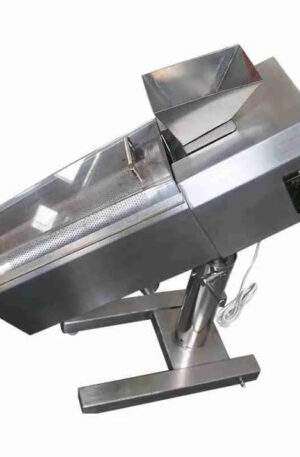
In conclusion, the adoption of table press machines and capsule filling machines, such as the TDP and THDP, has propelled the pharmaceutical industry into a new era of precision and efficiency. These machines serve as indispensable tools in the manufacturing process, enabling pharmaceutical companies to produce high-quality medications at scale. Moving forward, continued innovation in pharmaceutical machinery will further optimize production processes and elevate standards across the industry.