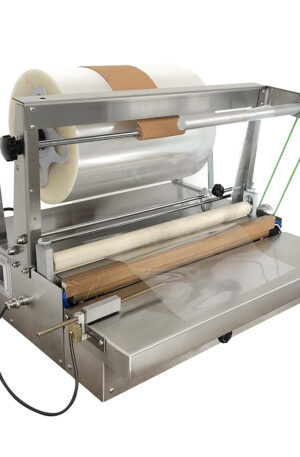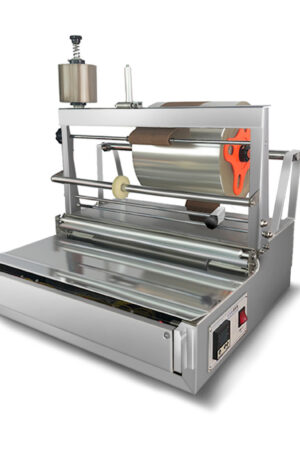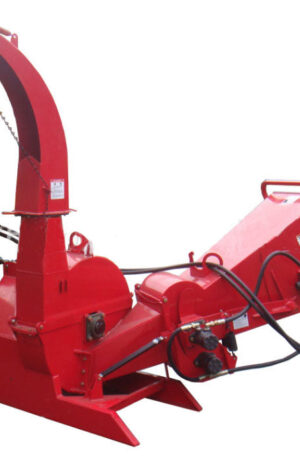
Title: The Role of Pharmaceutical Machinery in Modern Medicine Industry Introduction: Pharmaceutical machinery plays a critical role in the manufacturing process of lifesaving medications. This article will explore the various types of pharmaceutical machinery commonly used in the industry and discuss their significance in ensuring the safety, efficacy, and quality of pharmaceutical products. Body: 1. Types of Pharmaceutical Machinery – Tablet Press Machines: These machines are used to compress powders into solid tablets of uniform size and shape. – Capsule Filling Machines: These machines fill empty capsules with the desired medication and seal them for oral consumption. – Liquid Filling Machines: Used for filling bottles or vials with liquid medications with precision and accuracy. – Blister Packaging Machines: These machines package individual doses of medications into blister packs for convenient use. – Sterilization Equipment: Essential for ensuring that pharmaceutical products are free from contaminants and meet stringent quality standards. 2. Importance of Pharmaceutical Machinery – Quality Assurance: Pharmaceutical machinery helps in maintaining the quality and consistency of medications, reducing the risk of errors in dosage or formulation. – Efficiency: Automated machinery speeds up the production process, resulting in higher output and lower costs. – Regulatory Compliance: Pharmaceutical machinery helps manufacturers comply with strict regulations and guidelines set by health authorities to ensure the safety of consumers. – Innovation: Continuous advancements in pharmaceutical machinery technology drive innovation in drug delivery systems and formulations. 3. Future Trends in Pharmaceutical Machinery – Automation and Robotics: Increasing use of automation and robotics in pharmaceutical manufacturing to improve efficiency and reduce human error. – Integration of IoT: Implementation of the Internet of Things (IoT) for real-time monitoring and control of pharmaceutical machinery for optimized production processes. – Personalized Medicine: Developments in pharmaceutical machinery to accommodate the growing trend towards personalized medicine and customized drug formulations. Conclusion: Pharmaceutical machinery forms the backbone of the modern medicine industry, enabling the efficient production of high-quality medications that save lives and improve patient outcomes. As technology continues to advance, the role of pharmaceutical machinery in drug manufacturing will only become more critical in ensuring the safety and effectiveness of pharmaceutical products.

Title: The Role of Pharmaceutical Machinery in Modern Medicine Industry

Pharmaceutical machinery plays a pivotal role in the production and manufacturing process of essential medications that are crucial for treating various medical conditions. Among the wide array of pharmaceutical machinery used in the industry, the tablet press machine and capsule filling machine are two key pieces of equipment that contribute significantly to the quality and efficiency of drug manufacturing.

Tablet press machines are integral to the pharmaceutical manufacturing process as they are responsible for converting powders into solid tablets of uniform size and shape. These machines utilize a combination of compression force and dies to create tablets that meet the specific dosage requirements of each medication. One commonly used type of tablet press machine is the TDP (Tablet Press Machine), which is known for its reliability, precision, and ease of operation. The TDP can handle a wide range of tablet sizes and shapes, making it a versatile tool for pharmaceutical manufacturers.

On the other hand, capsule filling machines are essential for filling empty capsules with the desired medication and sealing them for oral consumption. These machines ensure that the medication is accurately dosed and securely enclosed within the capsule, enhancing convenience for patients and healthcare providers. The THDP (Capsule Filling Machine) is a popular choice in the industry due to its high filling accuracy, speed, and ability to handle different sizes of capsules.

The significance of pharmaceutical machinery like tablet press machines and capsule filling machines extends beyond just efficiency and productivity. These machines play a crucial role in ensuring the safety, efficacy, and quality of pharmaceutical products. By producing tablets and capsules with precise dosages and formulations, pharmaceutical machinery helps in reducing the risk of medication errors and inconsistencies, ultimately safeguarding patient health.

As the pharmaceutical industry continues to evolve, advancements in pharmaceutical machinery technology are driving innovation and improving drug manufacturing processes. Automation and robotics are being increasingly integrated into pharmaceutical machinery to streamline production and minimize human error. Additionally, the adoption of IoT (Internet of Things) technology allows real-time monitoring and control of pharmaceutical machinery, enhancing operational efficiency and quality control.

In conclusion, pharmaceutical machinery, including tablet press machines and capsule filling machines, are vital components of the modern medicine industry. These machines ensure the production of high-quality medications that meet regulatory standards and contribute to improved patient care. As technology continues to advance, the role of pharmaceutical machinery in drug manufacturing will remain indispensable in meeting the evolving needs of the healthcare landscape.
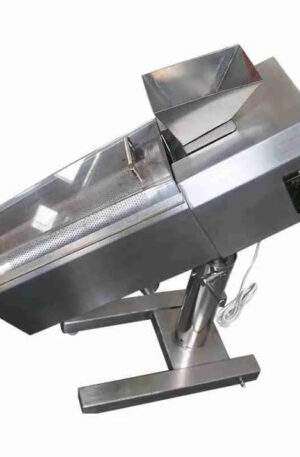
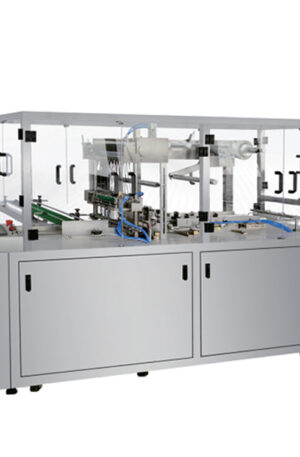
Title: “Enhancing Pharmaceutical Production: The Role of Pharmaceutical Machinery” Content: In the pharmaceutical industry, the quality and efficiency of production processes play a crucial role in ensuring the safety and efficacy of medicines. Pharmaceutical machinery, including a wide range of equipment such as tablet presses, capsule fillers, and mixing machines, plays a vital role in the manufacturing process. This article will explore the significance of pharmaceutical machinery in enhancing pharmaceutical production. Firstly, pharmaceutical machinery plays a key role in ensuring the accuracy and consistency of dosage forms. For example, tablet presses are used to compress powders into tablets of uniform size and shape, ensuring precise dosing for patients. This helps to minimize variability in drug delivery and ensures the effectiveness of the medication. Secondly, pharmaceutical machinery helps to improve the efficiency of the manufacturing process. Automated machinery can perform tasks quickly and accurately, increasing production rates and reducing the risk of human error. This not only helps to streamline production processes but also ensures the timely availability of essential medicines to patients. Furthermore, pharmaceutical machinery plays a crucial role in maintaining the quality and safety of pharmaceutical products. Machinery used in the production process is designed to meet strict regulatory standards and ensure compliance with Good Manufacturing Practices (GMP). This helps to minimize the risk of contamination and maintain the integrity of the products throughout the manufacturing process. In conclusion, pharmaceutical machinery is an essential component of pharmaceutical production, ensuring the accuracy, efficiency, and quality of medicines. By investing in advanced machinery and adopting innovative technologies, pharmaceutical companies can enhance their production processes and ultimately improve the accessibility of safe and effective medicines for patients worldwide.

Title: “Enhancing Pharmaceutical Production: The Role of Pharmaceutical Machinery”

Pharmaceutical machinery plays a critical role in the pharmaceutical industry by ensuring the quality, efficiency, and safety of production processes. Among the various types of pharmaceutical machinery, tablet press machines and capsule filling machines stand out as key components in the manufacturing of medications.

Tablet press machines are essential equipment used to compress powdered ingredients into tablets of uniform size and shape. One commonly used type of tablet press machine is the TDP (Tablet Press), which is known for its reliability and precision in producing tablets. By utilizing a TDP, pharmaceutical companies can ensure consistent dosing of medications, leading to more accurate drug delivery and enhanced patient outcomes.

On the other hand, capsule filling machines are instrumental in the production of capsules, which are a popular dosage form for medications. These machines help to fill empty capsule shells with precise amounts of active ingredients, excipients, and fillers to create finished capsules. The THDP (Automatic Capsule Filling Machine) is a widely used capsule filling machine known for its high-speed performance and accuracy in filling capsules. Pharmaceutical companies rely on THDP machines to improve production efficiency and ensure the uniformity of capsule content.

The integration of tablet press machines and capsule filling machines into pharmaceutical production processes offers numerous benefits. Firstly, these machines contribute to the standardization of dosage forms, ensuring that each tablet or capsule contains the correct amount of medication. This consistency is essential in meeting regulatory requirements and maintaining the effectiveness of the medications.

Secondly, tablet press machines and capsule filling machines enhance production efficiency by automating the manufacturing process. By reducing manual labor and minimizing the risk of errors, these machines enable pharmaceutical companies to increase production rates and meet market demands more effectively. Additionally, the use of advanced pharmaceutical machinery helps to optimize resource utilization and reduce production costs, ultimately contributing to a more sustainable and competitive pharmaceutical industry.

Moreover, pharmaceutical machinery, such as tablet press machines and capsule filling machines, plays a crucial role in ensuring product quality and safety. These machines are designed to meet stringent quality standards and regulatory requirements, such as Good Manufacturing Practices (GMP). By adhering to these standards, pharmaceutical manufacturers can maintain the integrity of their products, minimize the risk of contamination, and uphold the trust of healthcare professionals and patients.

In conclusion, the utilization of pharmaceutical machinery, particularly tablet press machines and capsule filling machines like TDP and THDP, is essential for enhancing pharmaceutical production. These machines streamline production processes, improve dosage accuracy, and uphold quality and safety standards in medication manufacturing. By investing in advanced pharmaceutical machinery, companies can drive innovation, improve operational efficiency, and ultimately contribute to the development of safe and effective medications for global healthcare.