Title: “Revolutionizing the Pharmaceutical Industry: The Role of Pharma Machinery”

Title: “Revolutionizing the Pharmaceutical Industry: The Role of Pharma Machinery”

In the rapidly evolving pharmaceutical industry, the production of high-quality medications is dependent on cutting-edge technology and efficient processes. One of the key aspects driving this transformation is the utilization of advanced pharmaceutical machinery. In this article, we will explore the vital role of pharma machinery, with a focus on table press machines, capsule filling machines, and the significance of TDP and THDP models.

Tablet press machines are essential equipment used in the pharmaceutical manufacturing process. These machines play a crucial role in compressing powdered ingredients into solid tablets of precise size and weight. By utilizing advanced technology, tablet press machines can ensure uniformity in the production of medications, thereby improving their efficacy and safety. The automation and precision offered by these machines not only enhance the production process but also reduce the likelihood of human error, ultimately leading to higher quality pharmaceutical products.

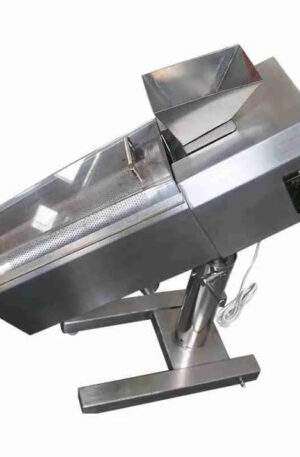
Capsule filling machines are another integral part of pharmaceutical manufacturing. These machines are designed to accurately fill empty gelatin or vegetarian capsules with powdered or granulated medication. By automating the filling process, capsule filling machines can significantly increase production efficiency and consistency. The ability to control dosage accuracy and ensure uniform distribution of active ingredients makes these machines indispensable in modern pharmaceutical operations.

TDP (Tablet Press Machine) and THDP (High-Speed Tablet Press Machine) models are among the most advanced and efficient machinery in the pharmaceutical industry. TDP models are known for their reliability and versatility in producing a wide range of tablet formulations. On the other hand, THDP models are specifically designed for high-speed production, offering increased output without compromising quality. These models incorporate advanced features such as automatic feeding systems, precise weight control, and modular design, making them ideal for large-scale pharmaceutical manufacturing.

In conclusion, pharma machinery, including table press machines, capsule filling machines, and advanced models like TDP and THDP, are instrumental in revolutionizing the pharmaceutical industry. By embracing technological advancements and automation in manufacturing processes, pharmaceutical companies can enhance efficiency, improve quality control, and meet the increasing demand for innovative medications. As the industry continues to evolve, the role of pharmaceutical machinery will remain paramount in driving advancements and ensuring the production of safe and effective pharmaceutical products.
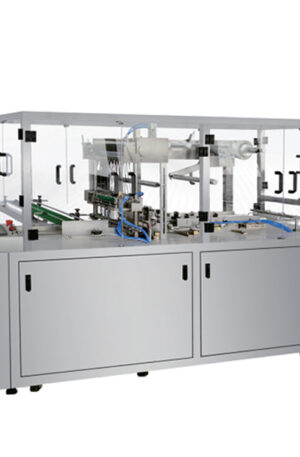
Title: “Revolutionizing Pharmaceutical Production: The Role of Pharma Machinery” Article Content: Introduction: Pharmaceutical industry plays a critical role in healthcare by producing life-saving medications. In recent years, the sector has undergone significant advancements in pharmaceutical machinery, revolutionizing the production process and ensuring the safety and efficacy of drugs. Development of Pharma Machinery: The evolution of pharma machinery has been driven by the need for increased efficiency, precision, and compliance with regulatory standards. From traditional equipment like tablets and capsule machines to cutting-edge technologies such as automated liquid filling systems and high-speed packaging machines, pharmaceutical companies are investing in state-of-the-art machinery to enhance their production capabilities. Importance of Quality Control: Quality control is paramount in pharmaceutical production to guarantee the safety and effectiveness of medications. Advanced pharma machinery is equipped with sophisticated monitoring and control systems that enable real-time detection of anomalies, ensuring that every batch of drugs meets stringent quality standards. Enhancing Production Efficiency: Pharma machinery has greatly improved production efficiency by streamlining processes and reducing manual intervention. Automated systems such as robotic handling equipment and computerized control systems optimize production schedules, minimize downtime, and increase output, ultimately lowering production costs and improving competitiveness in the market. Compliance with Regulatory Standards: Adherence to regulatory requirements is non-negotiable in the pharmaceutical industry. Pharma machinery is designed to comply with international standards such as Good Manufacturing Practices (GMP) and US Food and Drug Administration (FDA) guidelines. By integrating traceability features and documentation controls, pharmaceutical manufacturers can ensure transparency and accountability throughout the production chain. Future Trends and Innovations: The future of pharmaceutical machinery is poised for further advancements, with trends focusing on sustainability, digitalization, and personalized medicine. Innovations such as 3D printing of pharmaceuticals, continuous manufacturing processes, and smart sensors for real-time monitoring are shaping the next generation of pharma machinery. Conclusion: Pharma machinery plays a crucial role in ensuring the quality, efficiency, and compliance of pharmaceutical production. As technology continues to evolve, pharmaceutical companies must embrace the latest innovations in machinery to meet the growing demands of the industry and deliver safe and effective medications to patients worldwide.

Title: “Revolutionizing Pharmaceutical Production: The Role of Pharma Machinery”

Pharmaceutical manufacturing has witnessed a paradigm shift in recent years, thanks to the advancements in pharma machinery. Traditional equipment like table press machines and capsule filling machines have given way to more sophisticated technologies such as Tablet Deduster Press (TDP) and Tablet Hardness Tester (THDP), revolutionizing the way drugs are produced.

The development of pharma machinery has been instrumental in enhancing the efficiency and precision of pharmaceutical production. Table press machines, for example, are crucial for compressing powdered ingredients into tablets of uniform size and shape. These machines have evolved to incorporate advanced features such as adjustable compression force and speed control, allowing manufacturers to optimize the tablet production process.

Similarly, capsule filling machines have undergone significant improvements to ensure accurate dosing and efficient encapsulation of drugs. Modern capsule filling machines are equipped with precision dosing mechanisms, automatic capsule orientation systems, and real-time monitoring capabilities to maximize productivity and minimize errors in the filling process.

The introduction of innovative technologies like TDP and THDP has further transformed pharmaceutical manufacturing. Tablet Deduster Press (TDP) machines are designed to remove excess dust and debris from tablets, ensuring a clean and polished finish. Meanwhile, Tablet Hardness Tester (THDP) devices measure the hardness and integrity of tablets, guaranteeing consistent quality and durability.

In addition to improving production efficiency, pharma machinery plays a crucial role in ensuring the quality and compliance of pharmaceutical products. Manufacturers rely on advanced machinery to meet regulatory standards such as Good Manufacturing Practices (GMP) and US Food and Drug Administration (FDA) guidelines. The integration of quality control features like automated inspection systems and data logging capabilities enhances the traceability and accountability of the production process.

Looking ahead, the future of pharmaceutical machinery holds exciting possibilities for the industry. Emerging trends such as 3D printing of pharmaceuticals and continuous manufacturing processes are reshaping the production landscape. Smart sensors and Internet of Things (IoT) technologies are revolutionizing monitoring and control systems, enabling real-time data analysis and predictive maintenance in pharmaceutical facilities.

In conclusion, the evolution of pharma machinery is driving innovation and excellence in pharmaceutical production. From traditional table press machines to cutting-edge technologies like TDP and THDP, pharmaceutical manufacturers are leveraging the power of machinery to deliver safe, effective, and high-quality medications to patients worldwide. As the industry continues to evolve, embracing the latest advancements in pharma machinery will be essential for staying competitive and meeting the evolving needs of the healthcare sector.