Title: “Revolutionizing Pharmaceutical Manufacturing: The Role of Pharma Machinery” Article Content: In recent years, the pharmaceutical industry has witnessed substantial advancements in manufacturing technology, particularly with the introduction of cutting-edge pharmaceutical machinery. These sophisticated machines play a crucial role in the production process, ensuring efficiency, accuracy, and compliance with regulatory standards. One of the key areas where pharmaceutical machinery has made a significant impact is in the formulation and blending of active pharmaceutical ingredients (APIs) with excipients. High-speed mixers and blenders are now commonly used to achieve homogenous blends, reducing processing times and improving product quality. Additionally, technologies such as fluid bed granulators have revolutionized the drying and granulation process, leading to more consistent particle size distribution and enhanced product stability. Another crucial aspect of pharmaceutical manufacturing that has been transformed by advanced machinery is the process of tableting and encapsulation. Tablet press machines with automated systems for weight control, compression force adjustment, and real-time monitoring have enabled manufacturers to produce tablets with precise dosages and uniform physical properties. Similarly, capsule filling machines equipped with advanced filling mechanisms ensure accurate dosing and minimize wastage of raw materials. Furthermore, the packaging of pharmaceutical products has also evolved with the introduction of sophisticated machinery. Blister packaging machines, for example, enable the automatic filling and sealing of unit dose packages, improving product protection and tamper-evidence. In addition, labeling machines equipped with vision inspection systems contribute to error-free labeling, ensuring compliance with labeling regulations and enhancing product traceability. In conclusion, the integration of advanced pharmaceutical machinery into the manufacturing process has not only enhanced operational efficiency but also elevated product quality, safety, and regulatory compliance. As the industry continues to embrace technological innovations, the role of pharma machinery in revolutionizing pharmaceutical manufacturing will only become more pronounced, shaping the future of healthcare delivery and patient outcomes.

Title: “Revolutionizing Pharmaceutical Manufacturing: The Role of Pharma Machinery”

In the fast-paced world of pharmaceutical manufacturing, the advent of innovative pharmaceutical machinery has ushered in a new era of efficiency and precision. Among the key players in this transformation are the cutting-edge tablet press machines and capsule filling machines, which have become integral components in the production process of pharmaceutical products.

Tablet press machines, such as the TDP (Tablet Press Direct) and THDP (Tablet Press High-Speed Rotary), have revolutionized the tableting process by offering advanced features that ensure the production of high-quality tablets with consistent dosages. These machines are equipped with automated systems that control crucial parameters such as weight, compression force, and tablet hardness, ensuring uniformity across batches. Moreover, real-time monitoring capabilities enable operators to detect and address any deviations promptly, leading to improved product quality and compliance with regulatory standards.

Similarly, capsule filling machines have played a pivotal role in streamlining the encapsulation process. With the ability to accurately fill capsules with precise dosages of active ingredients, these machines contribute to the production of pharmaceutical products that meet stringent quality requirements. Advanced filling mechanisms in capsule filling machines ensure uniform filling, minimizing variations in dosage and enhancing product efficacy. Furthermore, the efficiency of these machines reduces wastage of raw materials, optimizing production costs and improving overall operational efficiency.

The integration of tablet press machines and capsule filling machines into pharmaceutical manufacturing processes has not only enhanced productivity but also raised the bar for product quality and compliance. By leveraging the capabilities of these advanced machines, manufacturers can meet the increasing demands for pharmaceutical products while ensuring consistency and safety. The versatility and reliability of tablet press machines and capsule filling machines have made them indispensable tools in the modern pharmaceutical industry, driving innovation and setting new standards for manufacturing practices.

As the pharmaceutical industry continues to evolve, the role of pharma machinery, particularly tablet press machines and capsule filling machines, will remain critical in shaping the future of pharmaceutical manufacturing. By embracing technological advancements and leveraging the capabilities of these advanced machines, pharmaceutical companies can stay ahead of the curve and deliver high-quality products that meet the needs and expectations of patients worldwide. The era of revolutionizing pharmaceutical manufacturing through the deployment of cutting-edge pharma machinery is here to stay, paving the way for a more efficient, precise, and compliant industry landscape.

“The Evolution of Pharmaceutical Machinery: A Journey of Innovation and Precision”

Title: “The Evolution of Pharmaceutical Machinery: A Journey of Innovation and Precision”
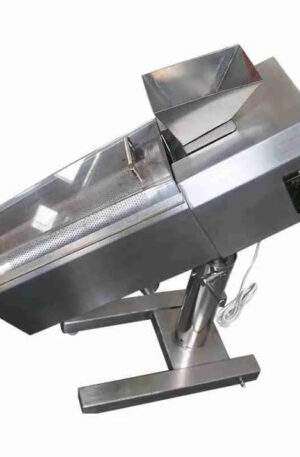
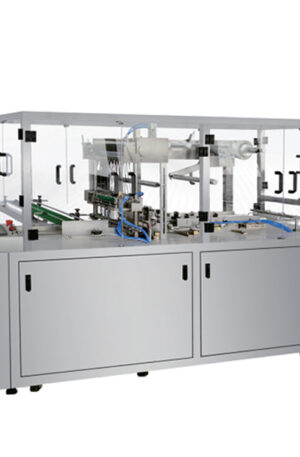
Pharmaceutical machinery plays a crucial role in the manufacturing process of medicines, ensuring accurate dosage, quality control, and efficiency. Over the years, advancements in technology have revolutionized pharmaceutical machinery, leading to the development of more sophisticated and precise equipment such as table press machines and capsule filling machines.

Table press machines, also known as tablet presses, are essential in the production of tablets. These machines work by compressing powdered ingredients into solid tablets of specific shapes and sizes. The evolution of table press machines has seen the integration of advanced features such as automated controls, high-speed production capabilities, and improved quality control mechanisms. Modern table press machines not only ensure accurate dosage but also enhance productivity in pharmaceutical production facilities.

Another key technology in pharmaceutical machinery is the capsule filling machine. These machines are designed to efficiently fill empty capsules with powdered or liquid medication. With the ability to precisely fill capsules with the required dosage, capsule filling machines have become indispensable in pharmaceutical manufacturing. The evolution of capsule filling machines has seen the development of high-speed, automated equipment that can handle large quantities of capsules with minimal human intervention. This not only improves production efficiency but also ensures consistency in dosage across batches.

Two popular types of table press machines are TDP (Tablet Press) and THDP (High-Speed Tablet Press). TDP machines are widely used for small to medium-scale production of tablets, offering precise control over compression force and tablet thickness. On the other hand, THDP machines are designed for high-volume production, with features such as rapid tooling changeovers and increased output capacities. The evolution of these machines has significantly improved the efficiency and accuracy of tablet production in the pharmaceutical industry.

In conclusion, the evolution of pharmaceutical machinery, including table press machines, capsule filling machines, TDP, and THDP, has been marked by innovation and precision. These advancements have not only improved the quality and consistency of pharmaceutical products but have also enhanced the efficiency of manufacturing processes. As technology continues to progress, we can expect further developments in pharmaceutical machinery that will revolutionize the industry and benefit patients worldwide.