Title: “Revolutionizing Pharmaceutical Production: The Role of Pharmaceutical Machinery”
In the ever-evolving pharmaceutical industry, the use of advanced pharmaceutical machinery has become a cornerstone of efficient and quality-driven production processes. Among the various types of pharmaceutical machinery, table press machines and capsule filling machines stand out as essential tools in the manufacturing of pharmaceutical products.
Table press machines, such as the TDP (Tablet Press) and THDP (High-Speed Tablet Press), play a crucial role in the production of tablets, which are one of the most common forms of medication. These machines compress powdered ingredients into solid tablets of precise weight and dosage, ensuring uniformity and consistency in every pill. The TDP is known for its versatility and reliability, capable of producing a wide range of tablet shapes and sizes to meet the diverse needs of pharmaceutical companies. On the other hand, the THDP represents the latest advancement in table press technology, boasting higher production speeds and enhanced efficiency.
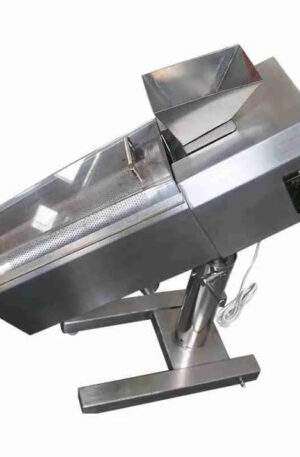
In parallel, capsule filling machines have also revolutionized pharmaceutical production by automating the encapsulation process. These machines allow pharmaceutical companies to fill empty capsules with the desired medication, creating convenient and easy-to-administer dosage forms. The advanced design of modern capsule filling machines ensures accurate filling of capsules with minimal wastage, optimizing the production process and reducing costs.
The integration of table press machines and capsule filling machines in pharmaceutical manufacturing facilities has led to significant improvements in efficiency, quality, and safety. These machines not only expedite the production process but also ensure the precise dosage of medications, reducing the risk of human error and variability in drug formulation. By automating repetitive tasks and minimizing manual intervention, pharmaceutical machinery helps maintain high production standards and compliance with regulatory requirements.
Furthermore, the ongoing technological advancements in pharmaceutical machinery continue to push the boundaries of innovation in drug manufacturing. Manufacturers are investing in research and development to improve machine performance, enhance product quality, and increase production capacities. From digital control systems to predictive maintenance technologies, these innovations aim to streamline operations and maximize the productivity of pharmaceutical plants.
In conclusion, the role of pharmaceutical machinery, particularly table press machines and capsule filling machines, cannot be overstated in modern pharmaceutical production. These machines are instrumental in ensuring the efficient and consistent manufacturing of medications, ultimately contributing to the timely supply of life-saving drugs to patients worldwide. As the pharmaceutical industry continues to evolve, the adoption of advanced machinery will remain pivotal in meeting the growing demands for safe, effective, and high-quality pharmaceutical products.