Title: “The Evolution of Pharmaceutical Machinery: Advancements in Drug Manufacturing Technology”
In the ever-evolving field of pharmaceuticals, the importance of advanced machinery cannot be underestimated. Over the years, the development of pharmaceutical machinery has revolutionized the drug manufacturing process, making it more efficient, precise, and cost-effective. Two key pieces of equipment that have played a crucial role in this evolution are the table press machine and the capsule filling machine.
The table press machine, also known as a tablet press, is an essential tool in pharmaceutical production. It is used to compress powders into solid tablets of uniform size and weight. The modern table press machine operates with high precision, ensuring that each tablet meets the required quality standards. One popular type of table press machine is the TDP (Tablet Press of Desktop) series, which is widely used in small to medium-sized pharmaceutical companies for its compact size and ease of operation. With advancements in technology, newer models such as the THDP (Tablet Press of High Desktop) have been introduced, offering even greater efficiency and output capacity.
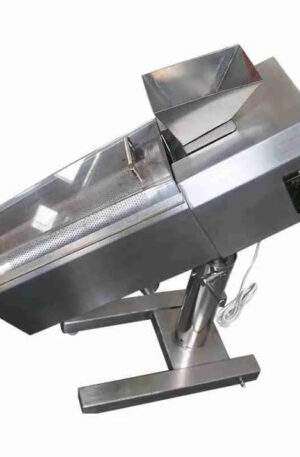
On the other hand, the capsule filling machine is another critical piece of equipment in drug manufacturing. These machines automate the process of filling empty capsules with powdered or granular ingredients, improving accuracy and productivity. Capsule filling machines come in various types, including manual, semi-automatic, and fully automatic models. The development of innovative features such as high-speed filling and automatic capsule alignment has significantly enhanced the efficiency of capsule filling machines in recent years.
The integration of table press machines and capsule filling machines in pharmaceutical production lines has led to a more streamlined and efficient drug manufacturing process. By automating key steps in tablet and capsule production, these machines reduce the risk of errors and contamination, ensuring the consistent quality of pharmaceutical products. Furthermore, the use of advanced technologies such as data tracking and remote monitoring allows manufacturers to maintain tight control over the production process and comply with regulatory requirements.
In conclusion, the evolution of pharmaceutical machinery, particularly the advancements in table press machines and capsule filling machines such as TDP and THDP, has significantly improved the efficiency and quality of drug manufacturing. As technology continues to progress, we can expect further innovations in pharmaceutical machinery that will shape the future of the industry and contribute to the development of safer and more effective drugs for patients worldwide.