Title: The Evolution of Pharmaceutical Machinery: Advancements in Drug Manufacturing Technology
In the ever-evolving world of pharmaceuticals, the role of machinery in drug manufacturing has undergone significant advancements over the years. From the early days of manual production to the sophisticated technologies of today, pharmaceutical machinery has played a crucial role in ensuring the efficiency, accuracy, and safety of drug manufacturing processes. In this article, we will explore the evolution of pharmaceutical machinery, with a focus on key innovations such as the table press machine and capsule filling machine.
One of the fundamental machines in pharmaceutical manufacturing is the table press machine. Also known as a tablet press or pill press, this machine is used to compress powder or granular materials into tablets of uniform size and shape. The table press machine operates by exerting high pressure on the powder mixture, compacting it into a solid tablet form. This process ensures consistent dosing and quality control in the production of pharmaceutical tablets. Over the years, advancements in table press technology have led to the development of more efficient and precise machines, such as the TDP (Tablet Press) and THDP (High-Speed Tablet Press).
The TDP series of table press machines are known for their compact design, ease of operation, and versatility in producing a wide range of tablet shapes and sizes. These machines are commonly used in small to medium-scale pharmaceutical production facilities due to their cost-effectiveness and reliability. On the other hand, the THDP series of high-speed tablet presses are designed for large-scale manufacturing operations, capable of producing thousands of tablets per hour with high precision and accuracy. These advanced machines feature automated controls, real-time monitoring systems, and data management functionalities, making them ideal for high-volume pharmaceutical production.
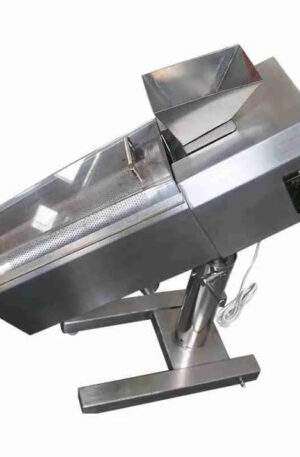
Another essential machine in pharmaceutical manufacturing is the capsule filling machine. These machines are used to fill empty gelatin or vegetarian capsules with pharmaceutical powders, granules, or liquids. The capsule filling process involves precision dosing, filling, and sealing of capsules to ensure accurate and consistent doses of medication for patients. Modern capsule filling machines feature advanced technologies such as automatic dosing systems, rotary filling mechanisms, and sealing processes that minimize contamination risks and improve production efficiency.
In conclusion, the evolution of pharmaceutical machinery, including table press machines and capsule filling machines, has revolutionized the drug manufacturing industry. The advancements in technology have enabled pharmaceutical companies to enhance production efficiency, product quality, and patient safety. As the demand for pharmaceuticals continues to grow, the development of innovative machinery and manufacturing processes will play a vital role in meeting the industry’s evolving needs. The future of pharmaceutical manufacturing holds great potential for further advancements in machinery technology, paving the way for safer, more effective medications for patients worldwide.