Title: The Evolution of Pharmaceutical Machinery: Enhancing Production Efficiency and Quality Control
Pharmaceutical machinery has undergone significant evolution over the years, with advancements aimed at enhancing production efficiency and ensuring stringent quality control measures. Two key machines that have played a crucial role in the pharmaceutical manufacturing process are the table press machine and the capsule filling machine.
Tablet press machines, commonly known as tablet presses, are essential equipment in the pharmaceutical industry for the production of tablets. These machines have evolved from the traditional single-punch tablet press to more advanced models such as the TDP (Tablet Deduster, Tablet Press, Tablet Printer) and THDP (Triple-layer Tablet Press). The TDP machines are compact and versatile, capable of producing high-quality tablets with precise dosages. On the other hand, the THDP machines are designed to produce triple-layer tablets, offering pharmaceutical manufacturers the ability to create complex dosage forms with controlled release properties.
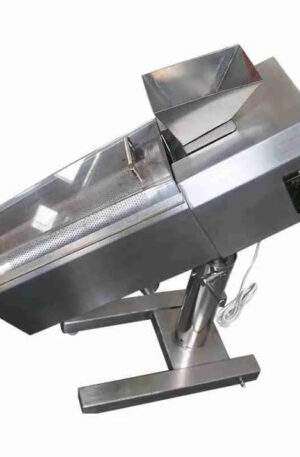
Capsule filling machines are another vital component in pharmaceutical manufacturing. These machines have evolved to meet the growing demand for capsule dosage forms that are convenient for patients to take. Modern capsule filling machines come equipped with advanced technologies to ensure accurate filling of powders, pellets, or granules into capsules of various sizes. They offer high production output rates and are designed to comply with strict regulatory standards to ensure product quality and safety.
The evolution of pharmaceutical machinery has not only improved production efficiency but also enhanced quality control in the pharmaceutical manufacturing process. Advanced features such as automated controls, real-time monitoring systems, and quality assurance protocols have been integrated into modern pharmaceutical machines to minimize errors and ensure consistency in product quality. Additionally, the implementation of data management systems in pharmaceutical machinery allows manufacturers to track and trace raw materials, production processes, and finished products, ensuring compliance with regulatory requirements.
In conclusion, the evolution of pharmaceutical machinery, particularly table press machines and capsule filling machines, has revolutionized the way pharmaceutical products are manufactured. The advancements in technology have led to increased production efficiency, improved quality control measures, and enhanced safety standards in the pharmaceutical industry. As pharmaceutical manufacturers continue to adopt innovative technologies and equipment, the future of pharmaceutical machinery holds promise for further advancements in the production of safe and effective medications.