Title: “The Evolution of Pharmaceutical Machinery: Innovations and Impact on Drug Manufacturing”
Pharmaceutical machinery has played a crucial role in the evolution of the pharmaceutical industry, facilitating the manufacturing process of various drugs. From the early stages of manual labor to the modern advanced technology-driven machinery, the evolution of pharmaceutical machinery has significantly impacted drug manufacturing processes.
One of the essential machines used in pharmaceutical manufacturing is the tablet press machine. Tablet press machines are used to compress powder formulations into tablets. These machines have undergone significant advancements over the years, improving their efficiency, precision, and output capacity. The introduction of features such as automatic filling systems, adjustable compression settings, and real-time monitoring capabilities has revolutionized the tablet manufacturing process. The Tablet Press Machine (TDP) and the Tablet Press High Speed Machines (THDP) are examples of modern tablet press machines that offer high-speed production without compromising on tablet quality.
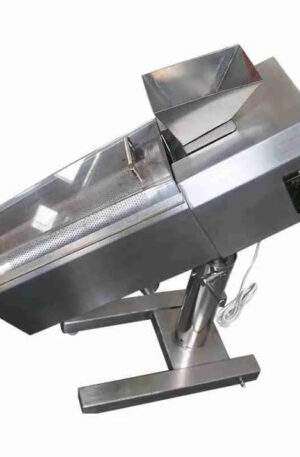
Another critical machine in pharmaceutical manufacturing is the capsule filling machine. Capsule filling machines are used to fill empty capsules with precise amounts of active pharmaceutical ingredients. Like tablet press machines, capsule filling machines have evolved to meet the increasing demands of the pharmaceutical industry. Modern capsule filling machines are equipped with advanced features such as automatic sorting, filling, and sealing mechanisms, ensuring accurate and efficient production processes. The integration of technologies like computerized control systems and robotic automation has further enhanced the performance and reliability of capsule filling machines.
The evolution of pharmaceutical machinery has had a profound impact on drug manufacturing. The innovations in tablet press and capsule filling machines have led to increased production capacity, higher product quality, and improved cost efficiency in pharmaceutical manufacturing processes. The shift towards automated and high-speed machinery has not only accelerated the production of drugs but has also minimized the risks of human error and contamination in the manufacturing process.
In conclusion, the continuous evolution of pharmaceutical machinery, including tablet press machines and capsule filling machines, has significantly transformed the drug manufacturing industry. The advancements in technology, such as the introduction of TDP and THDP machines, have revolutionized the way pharmaceutical products are manufactured, making the process more efficient, precise, and cost-effective. As the pharmaceutical industry continues to grow and innovate, the role of pharmaceutical machinery in drug manufacturing will remain pivotal in ensuring the production of safe and effective medications for global healthcare needs.