Title: The Evolution of Pharmaceutical Machinery: Revolutionizing the Drug Manufacturing Industry
Pharmaceutical machinery has played a crucial role in the advancement of the drug manufacturing industry. Over the years, technological advancements have led to the development of innovative equipment that has significantly improved the efficiency and quality of pharmaceutical production. In particular, the evolution of table press machines and capsule filling machines has been at the forefront of this revolution.
Tablet press machines, commonly referred to as tableting machines, are essential in the pharmaceutical industry for the production of tablets. These machines compress powdered ingredients into solid tablets of uniform size and weight. The introduction of modern table press machines, such as the TDP (Tablet Press Machine) and THDP (High-speed Tablet Press Machine), has revolutionized the tablet manufacturing process by increasing production speed and precision.
The TDP series of table press machines are widely used in the pharmaceutical industry due to their versatility and efficiency. These machines are equipped with advanced features such as automatic feeding, compression, and ejection mechanisms, resulting in higher production output and consistent tablet quality. The TDP models come in various sizes and capacities to cater to the diverse needs of pharmaceutical manufacturers.
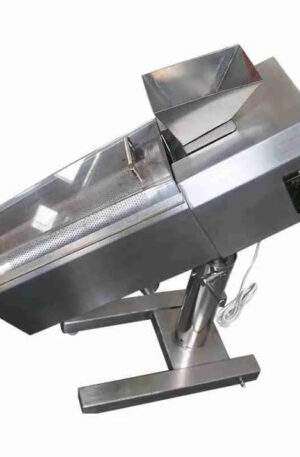
On the other hand, capsule filling machines have also undergone significant advancements in recent years. These machines are designed to fill empty capsules with powdered, granulated, or liquid ingredients. The latest capsule filling machines incorporate advanced technologies to improve filling accuracy, speed, and reliability. Pharmaceutical companies can now produce capsules with precise dosages and formulations, thanks to innovations in capsule filling machine design.
The integration of automation and computerized systems in table press and capsule filling machines has further enhanced their performance and efficiency. Automated controls allow for real-time monitoring of production processes, ensuring consistent quality and reducing the risk of errors. Additionally, the use of robotics and artificial intelligence in pharmaceutical machinery has streamlined manufacturing operations and optimized resource utilization.
In conclusion, the evolution of pharmaceutical machinery, particularly table press machines and capsule filling machines, has transformed the drug manufacturing industry. The adoption of advanced technologies such as TDP and THDP machines has enabled pharmaceutical companies to increase production capacity, improve product quality, and meet stringent regulatory requirements. As technology continues to advance, the future of pharmaceutical machinery holds even more promising prospects for innovation and growth.