Title: The Future of Pharmaceutical Machinery: Innovations and Trends
In the rapidly evolving landscape of pharmaceutical manufacturing, the technological advancements in machinery play a crucial role in enhancing efficiency, quality, and safety standards. Two key components in this domain are table press machines and capsule filling machines, which are instrumental in the production of solid dosage forms. This article explores the innovative trends in these machines, with a focus on the latest models such as TDP (Tablet Press) and THDP (Tablet Hardness Tester) and their impact on the future of pharmaceutical manufacturing.
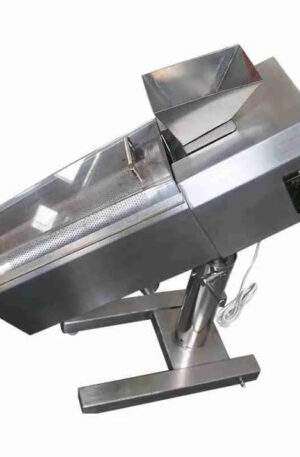
Tablet press machines are essential equipment used in the pharmaceutical industry for the compression of powders into tablets of precise shapes and sizes. The latest TDP models incorporate cutting-edge features such as automatic feeding systems, real-time monitoring sensors, and data analytics capabilities. These advancements not only enhance productivity by increasing the speed and accuracy of tablet production but also ensure consistent quality by minimizing variations in weight, hardness, and thickness.
On the other hand, capsule filling machines are indispensable for the encapsulation of powders, pellets, or liquids into capsules for oral administration. The modern capsule filling machines are designed for high-speed operation, improved dosing accuracy, and easy cleaning and maintenance. The introduction of THDP technology in capsule filling machines allows pharmaceutical manufacturers to test the hardness of tablets directly during the production process, ensuring compliance with pharmacopoeial standards and quality control measures.
One of the prominent trends in pharmaceutical machinery is the integration of automation and robotics to streamline manufacturing processes. Automated table press and capsule filling machines not only reduce human intervention and the risk of errors but also enable continuous operation and data-driven decision-making. Additionally, the use of artificial intelligence and machine learning algorithms in machinery software enhances predictive maintenance, process optimization, and quality assurance in pharmaceutical production.
Another key trend shaping the future of pharmaceutical machinery is the emphasis on flexibility and scalability. Modular designs in table press and capsule filling machines allow for easy reconfiguration and adaptation to different production requirements and product variations. This flexibility is particularly beneficial for small to medium-sized pharmaceutical companies that need to produce multiple drug formulations in varying batch sizes efficiently.
In conclusion, the advancements in table press and capsule filling machines, including the latest TDP and THDP models, signify a transformative phase in pharmaceutical manufacturing. By embracing innovative technologies, automation, and flexibility, pharmaceutical companies can improve production efficiency, ensure product quality, and meet regulatory standards effectively. The future of pharmaceutical machinery lies in continuous innovation and adaptation to meet the evolving needs of the industry in the pursuit of safer and more effective medications for patients worldwide.