Title: “The Impact of Pharmaceutical Machinery on Modern Drug Production”
Pharmaceutical machinery plays a crucial role in modern drug production by streamlining processes, ensuring quality, and meeting the ever-increasing demand for medications. Two key machines in this industry are the table press machine and the capsule filling machine, which have revolutionized the way drugs are manufactured.
Table press machines, such as the TDP and THDP models, are essential in the production of solid dosage forms like tablets. These machines use compression force to compact powdered ingredients into uniform tablets of precise size and weight. The TDP (Tablet Press) machine is widely used for small to medium-scale production, while the more advanced THDP (High-Speed Double Rotary Tablet Press) machine is designed for high-volume manufacturing. By automating the tablet pressing process, these machines enhance efficiency, reduce labor costs, and ensure consistent quality control.
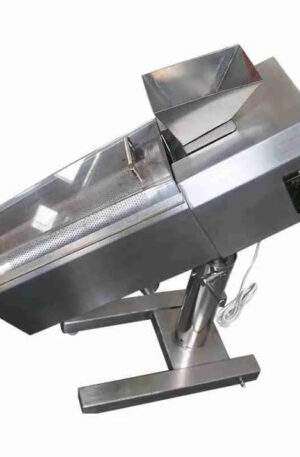
On the other hand, capsule filling machines are instrumental in encapsulating powdered or liquid medications. These machines use a series of dosing, filling, and sealing mechanisms to produce capsules of varying sizes and formulations. With advanced features like automatic sorting, filling, and ejection systems, capsule filling machines improve accuracy, speed, and cleanliness in the manufacturing process. Companies can now produce large quantities of capsules quickly and reliably to meet market demands.
The integration of table press and capsule filling machines in pharmaceutical production has brought significant benefits to the industry. Firstly, these machines enhance productivity by reducing manual labor and increasing the speed of manufacturing processes. With the ability to produce thousands of tablets or capsules per hour, pharmaceutical companies can meet the growing demand for medications effectively. Secondly, the precision and consistency offered by these machines ensure the quality and uniformity of each dosage form, minimizing the risk of errors and variations in drug potency.
Furthermore, the use of advanced pharmaceutical machinery also enhances safety standards in drug production. By minimizing human intervention in the manufacturing process, these machines reduce the risk of contamination and ensure the sterility of the final product. Additionally, the digitization and automation features of modern pharmaceutical machinery facilitate real-time monitoring and data collection, enabling manufacturers to maintain strict quality control and compliance with regulatory requirements.
In conclusion, the table press machine, capsule filling machine, and other pharmaceutical machinery have transformed drug production in the modern era. These advanced machines have improved efficiency, quality, and safety standards, enabling pharmaceutical companies to meet the challenges of a rapidly evolving industry. With continuous innovation and technological advancements, the impact of pharmaceutical machinery on drug production is set to grow further, driving advancements in healthcare and improving patient outcomes.