Title: “The Role and Importance of Pharmaceutical Machinery in the Medicine Manufacturing Process”
In the pharmaceutical industry, the use of advanced machinery plays a crucial role in the efficient and accurate production of medicines. Two key pieces of equipment commonly used in medicine manufacturing are the table press machine and capsule filling machine. These machines, such as the TDP and THDP models, are essential in the process of converting active pharmaceutical ingredients (APIs) into tablets and capsules for patient use.
The table press machine, such as the TDP (Tablet Press) machine, is a vital piece of equipment in the pharmaceutical manufacturing process. This machine is responsible for compressing powdered ingredients into tablet form. The TDP machine utilizes a combination of compression force and die punches to form tablets of consistent size, weight, and dosage. This process ensures uniformity and quality in the final product, which is essential for pharmaceutical safety and efficacy.
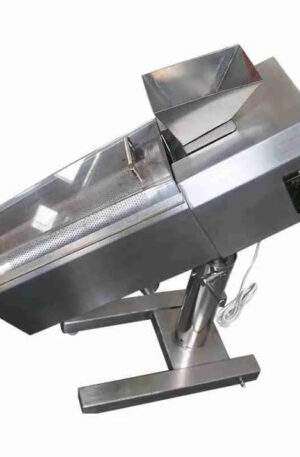
Similarly, the capsule filling machine, like the THDP (Capsule Filling Machine) model, is another indispensable tool in pharmaceutical production. Capsule filling machines automate the process of filling empty gelatin or vegetarian capsules with precise amounts of powdered or granulated medication. The THDP machine accurately fills capsules to achieve uniform dosage levels, making it a critical component in ensuring product consistency and patient safety.
Both the table press machine and capsule filling machine contribute significantly to streamlining the medicine manufacturing process. These machines automate time-consuming and labor-intensive tasks, increasing production efficiency and reducing human error. Additionally, the use of these advanced pharmaceutical machinery ensures standardized dosages, leading to consistent product quality and improved patient outcomes.
Furthermore, the technological advancements in pharmaceutical machinery, such as the TDP and THDP models, have revolutionized the medicine manufacturing industry. These machines are equipped with features like automated cleaning systems, precise dosage controls, and real-time monitoring capabilities, enhancing productivity and compliance with regulatory standards. By investing in state-of-the-art machinery, pharmaceutical companies can achieve higher production rates, improved product quality, and greater cost-effectiveness in their operations.
In conclusion, the role of pharmaceutical machinery, including table press machines like the TDP and capsule filling machines such as the THDP, is paramount in the medicine manufacturing process. These advanced machines ensure the efficient production of tablets and capsules with consistent dosages, quality, and safety standards. By leveraging the capabilities of these advanced technologies, pharmaceutical companies can meet the growing demand for high-quality medicines and contribute to the advancement of global healthcare.