Title: The Role of Pharmaceutical Machinery in Drug Manufacturing
Pharmaceutical machinery plays a crucial role in the drug manufacturing process. Two important machines commonly used in pharmaceutical production are the table press machine and the capsule filling machine. These machines are essential for the efficient and precise production of tablets and capsules, which are two of the most common dosage forms for drugs.
The table press machine, also known as a tablet press or tablet compression machine, is used to compress powdered or granular materials into tablets of uniform size and weight. It works by exerting pressure on the powder or granules, forcing them into a specific shape and size. The machine typically consists of a hopper, filling station, compression mechanism, and a discharge system. Tablet press machines can come in different types, such as TDP (Tablet Direct Press) and THDP (Tablet Hand Press), each with its unique features and functionalities.
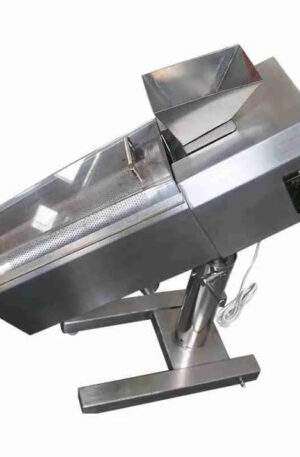
On the other hand, the capsule filling machine is used to fill empty capsule shells with powdered or granular material to create capsules. The machine operates by separating the capsule shells, filling them with the desired dosage of the drug, and then closing the capsules to form the final product. Capsule filling machines are efficient in producing large quantities of capsules quickly and accurately, ensuring uniform dosing in each capsule.
The TDP table press machine is widely used in pharmaceutical manufacturing due to its high efficiency and precision in producing tablets. It is a versatile machine that can handle various types of powders and produce tablets with different shapes and sizes. The TDP machine is easy to operate and maintain, making it a popular choice among pharmaceutical companies.
In contrast, the THDP machine is a manual tablet press that is often used for small-scale production or research purposes. While it may not offer the same level of automation and production capacity as the TDP machine, the THDP machine is cost-effective and suitable for producing small batches of tablets with specific formulations.
In conclusion, pharmaceutical machinery, such as the table press machine and the capsule filling machine, plays a vital role in drug manufacturing. These machines ensure the efficient production of tablets and capsules with precise dosing and quality, meeting the standards of the pharmaceutical industry. Understanding the functions and capabilities of these machines is essential for pharmaceutical manufacturers to optimize their production processes and deliver high-quality medications to consumers.