Title: The Role of Pharmaceutical Machinery in Drug Manufacturing
In the realm of pharmaceutical manufacturing, the utilization of advanced technology and machinery plays a crucial role in ensuring efficiency, accuracy, and safety in the production process. Among the array of machinery employed, the table press machine and capsule filling machine are instrumental in the manufacturing of tablets and capsules, respectively. Two widely used machines in this domain are the Tablet Press (TDP) machine and the High-Speed Capsule Filling Machine (THDP), each serving unique functions in drug manufacturing.
The Tablet Press machine, also known as the TDP machine, is an essential piece of equipment in pharmaceutical manufacturing for producing tablets in various shapes and sizes. This machine operates by compressing powdered ingredients into solid form, following precise formulations and standards. The TDP machine utilizes a combination of compression force and dies to shape tablets accurately, ensuring uniformity and consistency in each dosage.
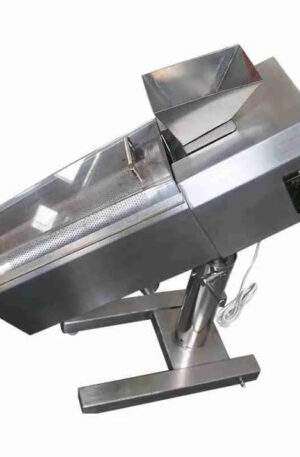
On the other hand, the High-Speed Capsule Filling Machine (THDP) is designed to streamline the process of filling pharmaceutical powders or granules into capsules with high efficiency. This machine automates the task of filling and sealing capsules, eliminating manual labor and minimizing the risk of contamination. The THDP machine can handle a large volume of capsules per hour, significantly increasing the productivity of the manufacturing process.
In drug manufacturing, the role of pharmaceutical machinery extends beyond enhancing production efficiency. These machines are equipped with advanced technologies such as automatic monitoring systems, quality control mechanisms, and safety features to ensure the integrity of the manufacturing process and the quality of the final products. Additionally, the use of pharmaceutical machinery minimizes human error and reduces the risk of cross-contamination, making the manufacturing process safer and more reliable.
The proper maintenance and calibration of pharmaceutical machinery are essential to ensure consistent performance and adherence to regulatory standards. Regular inspections, cleaning, and calibration of the machines are necessary to prevent malfunction and ensure the quality and safety of the manufactured drugs. Training of personnel operating the machinery is also crucial to ensure smooth operation and optimal utilization of the equipment.
In conclusion, pharmaceutical machinery, including the Table Press machine (TDP) and High-Speed Capsule Filling Machine (THDP), plays a pivotal role in drug manufacturing by enabling efficient production processes, ensuring product quality, and maintaining safety standards. These machines represent the advancement of technology in the pharmaceutical industry, facilitating the production of high-quality medications that meet stringent regulatory requirements. Proper maintenance, calibration, and operation of pharmaceutical machinery are essential to uphold the integrity of the manufacturing process and deliver safe and effective pharmaceutical products to consumers worldwide.