Title: The Role of Pharmaceutical Machinery in Drug Manufacturing
Pharmaceutical machinery plays a crucial role in the drug manufacturing process. Two key pieces of equipment commonly used in pharmaceutical production are the table press machine and the capsule filling machine.
Table press machines are essential in the production of solid dosage forms such as tablets. These machines are designed to compress powdered ingredients into tablets of uniform size and weight. One widely used type of table press machine is the TDP (Tablet Press Machine), which operates by applying pressure to the powdered material to form tablets. Through precise control of parameters such as compression force and tablet thickness, TDP machines ensure consistent quality and dosage accuracy in tablet production.
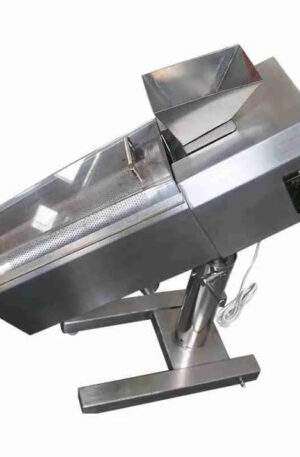
Capsule filling machines are another indispensable tool in pharmaceutical manufacturing. These machines automate the process of filling empty capsules with powdered or liquid formulations. The THDP (Automatic Capsule Filling Machine) is a popular model known for its high efficiency and precision in filling capsules with the correct dosage. By accurately measuring and dispensing the required amount of medication into each capsule, THDP machines help ensure product integrity and dosage uniformity.
In the pharmaceutical industry, the reliability and performance of machinery such as table press and capsule filling machines are paramount. These machines not only streamline the manufacturing process but also contribute to the quality, safety, and consistency of pharmaceutical products. Proper maintenance and calibration of pharmaceutical machinery are essential to ensure compliance with regulatory standards and facilitate the production of high-quality medications.
In conclusion, pharmaceutical machinery, including table press machines and capsule filling machines like TDP and THDP models, play a vital role in drug manufacturing. These sophisticated machines enable the efficient and precise production of tablets and capsules, ensuring consistent dosage, quality, and safety of pharmaceutical products. Continuous advancements in machinery technology further enhance the capabilities of pharmaceutical manufacturers, enabling them to meet the evolving demands of the healthcare industry.