Title: “The Role of Pharmaceutical Machinery in Drug Manufacturing”
Pharmaceutical machinery plays a crucial role in the drug manufacturing process, ensuring the efficiency, accuracy, and safety of producing medications that benefit millions of people worldwide. Among the essential equipment used in pharmaceutical production are table press machines and capsule filling machines.
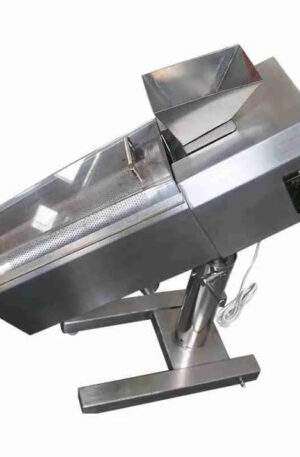
Table press machines, also known as tablet presses, are integral in the manufacturing of oral solid dosage forms such as tablets. These machines use compression force to turn powdered or granular raw materials into compact tablets of consistent size and weight. The Tablet Deduster Machine (TDP) is a common type of table press machine used to remove excess powder from the surface of tablets, enhancing their appearance and quality. On the other hand, the Tablet Hardness Testing Machine (THDP) is utilized to measure the hardness of tablets, ensuring they meet the required specifications for dissolution and absorption in the human body.
Capsule filling machines are another critical component in pharmaceutical production, particularly for medications delivered in capsule form. These machines efficiently fill empty capsule shells with the appropriate dosage of active ingredient and excipients. They ensure precise filling, uniformity, and proper sealing of capsules, maintaining the integrity and efficacy of the medication.
The utilization of advanced pharmaceutical machinery such as table press machines and capsule filling machines significantly enhances the pharmaceutical manufacturing process. These machines improve production efficiency, reduce human error, and uphold quality standards in drug manufacturing. Additionally, their automation capabilities increase output, allowing pharmaceutical companies to meet the growing demand for various medications.
In conclusion, pharmaceutical machinery, including table press machines and capsule filling machines, plays a vital role in drug manufacturing by ensuring the accurate and efficient production of medications. The innovative technology and precision of these machines contribute to the quality, safety, and effectiveness of pharmaceutical products that ultimately benefit patients worldwide. As the pharmaceutical industry continues to evolve, the role of advanced machinery in drug manufacturing remains indispensable.