Title: “The Role of Pharmaceutical Machinery in Drug Manufacturing”
Pharmaceutical machinery plays a crucial role in the drug manufacturing process, ensuring precision, efficiency, and compliance with regulatory standards. Two essential machines used in pharmaceutical manufacturing are the table press machine and the capsule filling machine.
Table press machines, such as the TDP and THDP models, are commonly utilized in the pharmaceutical industry for the production of solid dosage forms. These machines are designed to compress powdered ingredients into compact tablets of uniform shape and size. The TDP (Tablet Press) machine operates by exerting high pressure on the powder material within a die, resulting in the formation of tablets. On the other hand, the THDP (Tablet Hardness Tester) machine measures the hardness of the tablets to ensure their quality and integrity.
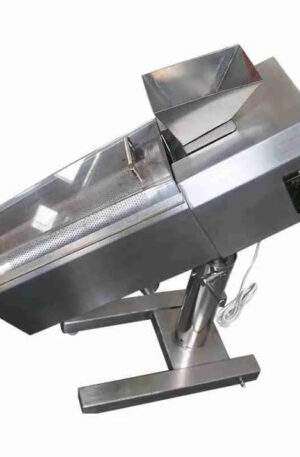
Capsule filling machines are another integral part of pharmaceutical manufacturing, particularly for medications that are administered in capsule form. These machines are used to fill empty gelatin capsules with powdered or liquid formulations at a high production rate. Capsule filling machines help pharmaceutical companies to automate the encapsulation process, ensuring accuracy and consistency in dosage levels.
The efficiency and precision of table press and capsule filling machines are essential for pharmaceutical manufacturers to meet the demands of the market while maintaining product quality. These machines reduce manual labor, minimize the risk of errors, and enhance productivity in drug manufacturing facilities. Moreover, the use of advanced technologies in pharmaceutical machinery allows for greater control over the manufacturing process, leading to higher-quality medications for patients.
In conclusion, pharmaceutical machinery, including table press and capsule filling machines, plays a vital role in drug manufacturing by enabling the production of accurate, consistent, and high-quality medications. The integration of these machines in pharmaceutical manufacturing processes not only improves efficiency but also ensures compliance with regulatory standards, ultimately benefitting both pharmaceutical companies and consumers.