Title: The Role of Pharmaceutical Machinery in Drug Manufacturing Process
Pharmaceutical machinery plays a crucial role in the drug manufacturing process by ensuring the efficiency, accuracy, and quality of pharmaceutical products. Two essential pieces of equipment widely used in pharmaceutical manufacturing are the tablet press machine and the capsule filling machine.
The tablet press machine, also known as a tablet press or pill press, is a mechanical device that compresses powders into tablets of uniform size and weight. It plays a vital role in the production of tablets, which are one of the most common forms of pharmaceutical dosage. The tablet press machine operates by filling the powder into the die cavity and then compressing it under high pressure to form a solid tablet. Through precise control of compression force and speed, tablet press machines can produce tablets with consistent quality and efficacy.
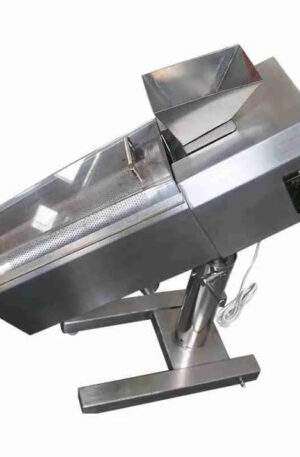
On the other hand, the capsule filling machine is used to fill empty capsule shells with powdered or granular materials to create capsules for oral administration. This versatile machine offers flexibility in dosing and formulation, making it ideal for pharmaceutical companies producing a variety of drugs in capsule form. The capsule filling machine automates the process of filling and sealing capsules, ensuring efficiency and accuracy in dosage delivery. With advanced features such as automatic capsule alignment and fill weight adjustment, modern capsule filling machines like the TDP (Tablet Deduster Polisher) and THDP (Tablet Hardness Tester) have improved precision and quality control in capsule production.
In pharmaceutical manufacturing, the synergy between the tablet press machine and the capsule filling machine is essential for meeting the needs of diverse drug formulations and patient preferences. While the tablet press machine excels in producing solid dosage forms with precise dosing, the capsule filling machine offers versatility in encapsulating a wide range of formulations. By integrating these two machines into the drug manufacturing process, pharmaceutical companies can enhance production efficiency, ensure product quality, and meet regulatory standards.
In conclusion, pharmaceutical machinery, such as the tablet press machine and capsule filling machine, plays a critical role in the drug manufacturing process by enabling efficient and accurate production of pharmaceutical products. The advanced features and capabilities of these machines, including the TDP and THDP, contribute to the quality and consistency of drug formulations. By investing in modern pharmaceutical machinery and optimizing their utilization, pharmaceutical companies can streamline production processes, improve product quality, and ultimately contribute to better healthcare outcomes for patients worldwide.