Title: “The Role of Pharmaceutical Machinery in Drug Manufacturing Processes”
Pharmaceutical machinery plays a crucial role in the production of medications, ensuring efficiency, accuracy, and quality throughout the manufacturing process. Two key pieces of equipment used in pharmaceutical manufacturing are the table press machine and the capsule filling machine.
The table press machine, also known as a tablet press, is a vital tool in the pharmaceutical industry for the compression of powders into tablets. It operates by exerting pressure on a powdered mixture compacted into a die, resulting in the formation of uniform tablets. The efficiency and precision of the table press machine are essential in ensuring that each tablet meets the required specifications in terms of weight, size, and hardness. Variants such as the TDP (Tablet Press) and THDP (High-Speed Tablet Press) are commonly used to cater to different production needs, with the THDP offering increased speed and output capacity compared to the standard TDP model.
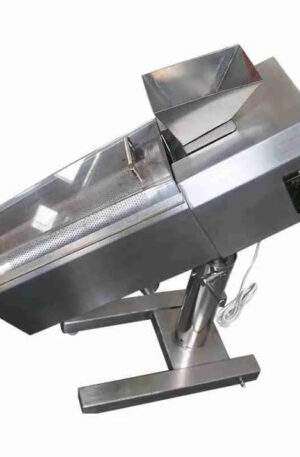
On the other hand, the capsule filling machine is another critical piece of equipment used in drug manufacturing processes. This machine is designed to fill empty gelatin or vegetarian capsules with the required dosage of powdered or granulated medication. The capsule filling machine ensures accurate dosing and uniform filling of capsules, with the flexibility to adjust fill weights and accommodate different capsule sizes. This equipment plays a crucial role in the production of oral medications, offering speed, consistency, and precision in the encapsulation process.
Overall, the use of pharmaceutical machinery such as table press and capsule filling machines is essential for ensuring the efficient and high-quality production of medications. These machines help pharmaceutical companies meet regulatory requirements, maintain product consistency, and enhance overall productivity in the drug manufacturing process. The advancements in technology continue to drive innovation in pharmaceutical machinery, leading to improved efficiency, accuracy, and safety in the production of lifesaving medications.