Title: “The Role of Pharmaceutical Machinery in Enhancing Drug Manufacturing Processes”
Pharmaceutical machinery plays a critical role in the drug manufacturing industry by automating and streamlining various processes involved in producing medications. Two key pieces of equipment that are integral to pharmaceutical manufacturing are table press machines and capsule filling machines. These machines, such as the Tablet Compression Machine (TDP) and the High-speed Double Rotary Model Capsule Filling Machine (THDP), significantly enhance efficiency, precision, and overall production quality.
Table press machines, including the TDP, are essential in the production of pharmaceutical tablets. These machines are designed to compress powdered ingredients into precise and uniform tablets through a series of mechanical and pneumatic actions. The TDP, for example, utilizes a rotating turret to feed powder into dies, compress it, and eject the formed tablets. This process ensures consistent tablet hardness, thickness, and weight, crucial for maintaining product quality and efficacy.
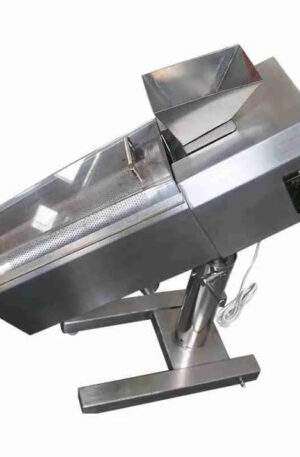
On the other hand, capsule filling machines like the THDP are used to fill empty gelatin capsules with pharmaceutical formulations. The THDP, known for its high-speed and accuracy, can fill a large number of capsules per minute, significantly increasing production output. This machine employs multiple stations for capsule orientation, filling, and sealing, guaranteeing uniform capsule content and minimizing product waste. Additionally, the THDP allows for customization in capsule size and dosage, accommodating the diverse needs of pharmaceutical companies.
Moreover, the integration of advanced technologies in pharmaceutical machinery has further revolutionized drug manufacturing processes. Automated systems, real-time monitoring, and data analytics capabilities in modern machines enhance quality control measures, reduce human error, and ensure compliance with regulatory standards. For instance, some table press machines and capsule filling machines are equipped with sensors and software that can detect variations in tablet hardness or capsule fill weight, enabling immediate adjustments to maintain product consistency.
In conclusion, pharmaceutical machinery, particularly table press machines like the TDP and capsule filling machines like the THDP, play a pivotal role in optimizing drug manufacturing operations. These machines not only improve efficiency and productivity but also ensure the quality, precision, and compliance of pharmaceutical products. As technology continues to advance, the pharmaceutical industry will rely increasingly on innovative machinery to meet the growing demands for safe and effective medications.