Title: “The Role of Pharmaceutical Machinery in Modern Drug Manufacturing”
In the ever-evolving pharmaceutical industry, the role of advanced machinery in drug manufacturing cannot be overstated. Pharmaceutical machinery plays a crucial role in ensuring the efficiency, accuracy, and safety of drug production processes. Two key machines that are widely utilized in pharmaceutical manufacturing are table press machines and capsule filling machines.
Tablet press machines, also known as tablet presses or pill presses, are essential in the production of compressed tablets. These machines use a combination of pressure and punches to form powdered or granulated materials into solid tablets of uniform size, shape, and weight. One common type of table press machine is the TDP (Tablet Direct Press) machine. The TDP machine is known for its simplicity and versatility, making it a popular choice for small to medium-scale pharmaceutical manufacturers.
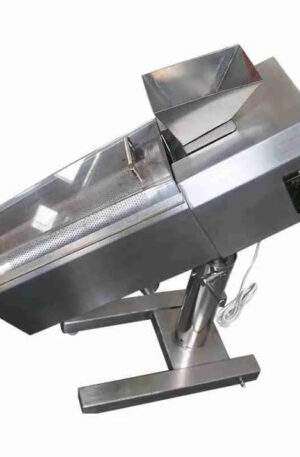
On the other hand, capsule filling machines are used to fill empty capsules with powdered, granulated, or liquid substances to create finished dosage forms. These machines ensure accurate dosing and uniform filling of capsules, contributing to the overall quality of the final product. THDP (Thermoforming High-speed Double Press) machines are an example of advanced capsule filling machines that offer high-speed production capabilities while maintaining precision and reliability.
The advancements in table press and capsule filling machines have revolutionized the pharmaceutical manufacturing process. These machines not only increase production efficiency but also enhance product quality by minimizing human error and ensuring consistency in dosage forms. In addition, the integration of automation and digital technology in pharmaceutical machinery has further improved manufacturing practices, leading to faster production turnaround times and reduced costs.
Furthermore, the use of table press and capsule filling machines aligns with industry regulations and standards, such as Good Manufacturing Practices (GMP), ensuring that pharmaceutical products meet quality requirements and are safe for consumer use. Quality control measures, such as machine calibration and validation, play a critical role in maintaining the integrity of drug manufacturing processes and upholding regulatory compliance.
In conclusion, pharmaceutical machinery, particularly table press and capsule filling machines, are indispensable tools in modern drug manufacturing. The advancements in technology and automation have transformed the way drugs are produced, contributing to improved efficiency, accuracy, and quality in pharmaceutical manufacturing processes. By investing in quality pharmaceutical machinery and adhering to industry standards, pharmaceutical manufacturers can enhance productivity, reduce errors, and deliver safe and effective medications to meet the needs of patients worldwide.