Title: “The Role of Pharmaceutical Machinery in Modern Drug Manufacturing”
In the realm of pharmaceutical manufacturing, the utilization of cutting-edge machinery plays a crucial role in ensuring the efficient production of high-quality drugs in large quantities. Among the various types of pharmaceutical machinery commonly employed in this process, table press machines and capsule filling machines stand out as key players, facilitating the transformation of raw materials into finished dosage forms. In this article, we delve into the significance of these machines, focusing on the TDP (Tablet Press) and THDP (Tablet Hardness Testing) machines, examining their functions, benefits, and impact on modern drug manufacturing processes.
Table press machines, also known as tablet presses, are essential equipment used in the compression of granular or powdered materials into tablets of precise shapes and sizes. The TDP is a popular model of table press machine that operates by exerting a controlled amount of pressure on the die cavity to form tablets. Through this process, pharmaceutical companies can mass-produce tablets with consistent weights, dimensions, and drug concentrations, ensuring uniformity across batches. The automation and speed of table press machines significantly enhance production efficiency, reducing manual labor and minimizing the risk of human error.
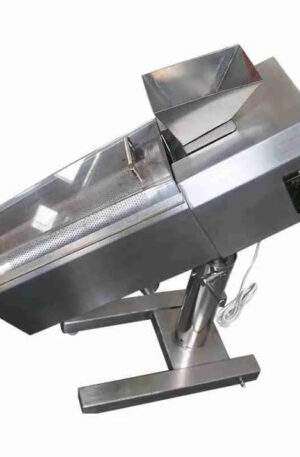
On the other hand, capsule filling machines are pivotal in encapsulating powdered or liquid medications into gelatin or vegetarian capsules. These machines streamline the encapsulation process, improving accuracy and preventing cross-contamination between different drug formulations. By precisely filling and sealing capsules, pharmaceutical manufacturers can create dosage forms that are easy to swallow, store, and dispense, contributing to patient compliance and convenience. The integration of automatic sensors and controls in capsule filling machines enhances process reliability and quality assurance.
In addition to the TDP and capsule filling machines, the Tablet Hardness Testing (THDP) machine plays a critical role in drug manufacturing by evaluating the hardness and integrity of tablets. By subjecting tablets to controlled pressure tests, the THDP machine assesses their resistance to breaking or crumbling, ensuring that they meet the required quality standards. Through real-time monitoring and analysis of tablet hardness, pharmaceutical companies can make adjustments to their manufacturing processes, leading to the production of durable and effective dosage forms.
In conclusion, pharmaceutical machinery, such as table press machines, capsule filling machines, and tablet hardness testing machines, serves as the backbone of modern drug manufacturing operations. These advanced machines not only enhance production efficiency and precision but also uphold the quality and integrity of pharmaceutical products. By investing in state-of-the-art machinery and technologies, pharmaceutical companies can meet the growing demands of the healthcare industry, delivering safe and effective medications to patients worldwide.