Title: The Role of Pharmaceutical Machinery in Modern Drug Production
In the realm of pharmaceutical manufacturing, the utilization of advanced machinery has become essential for ensuring the efficiency and precision required in drug production processes. Key equipment such as table press machines, capsule filling machines, and the development of technologies like TDP (Tabletting Direct Press) and THDP (Tablet Hydraulics Direct Press) play a pivotal role in streamlining pharmaceutical production in the modern era.
The table press machine is a fundamental apparatus used in the pharmaceutical industry for the compression of powders into tablets. This machine operates by exerting significant pressure on the powder mixture to form tablets of uniform size, shape, and weight. The accuracy and consistency achieved through tableting are crucial for ensuring the efficacy and safety of pharmaceutical products. With the evolution of technology, modern table press machines are equipped with features such as adjustable compression settings, automatic feeding systems, and real-time monitoring capabilities, allowing for enhanced control over the tablet production process.
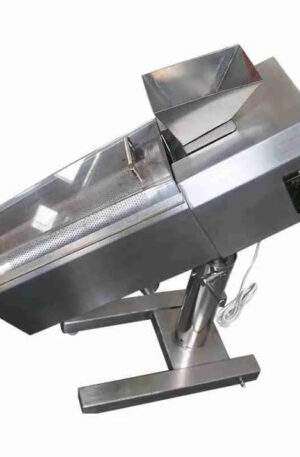
Similarly, capsule filling machines are instrumental in the encapsulation of powders, granules, or liquids for convenient and precise dosing of medications. These machines automate the process of filling empty capsules with the desired pharmaceutical formulation, ensuring accurate dosing and minimizing variations between individual capsules. Advanced capsule filling machines boast features like high-speed filling, precision dosing mechanisms, and the ability to accommodate different capsule sizes, catering to the diverse needs of pharmaceutical manufacturers.
The introduction of technologies like TDP and THDP has revolutionized tablet manufacturing by offering more efficient and cost-effective alternatives to traditional tableting processes. TDP technology enables the direct compression of powders into tablets without the need for granulation, simplifying the manufacturing process and reducing production time. On the other hand, THDP technology utilizes hydraulic pressure to compact powders into tablets, providing greater control over tablet hardness and density. These technological advancements not only improve the speed and accuracy of tablet production but also enhance the quality and consistency of the final pharmaceutical products.
In conclusion, pharmaceutical machinery such as table press machines, capsule filling machines, and innovative technologies like TDP and THDP are indispensable assets in modern drug production. By integrating these advanced machines into manufacturing processes, pharmaceutical companies can enhance efficiency, ensure product quality, and meet the stringent regulatory requirements of the industry. As technology continues to advance, the role of pharmaceutical machinery will only become more prominent in shaping the future of drug manufacturing.