Title: “Revolutionizing Pharmaceutical Industry: The Role of Pharmaceutical Machinery”
Introduction:
In the dynamic landscape of the pharmaceutical industry, the role of pharmaceutical machinery cannot be understated. From tablet press machines to capsule filling machines, these advanced technologies form the backbone of drug manufacturing processes. This article explores the significance of pharmaceutical machinery, focusing on the innovative tablet press machines (TDP) and capsule filling machines (THDP) that are driving the industry forward.
Types of Pharmaceutical Machinery:
Tablet Press Machines (TDP):
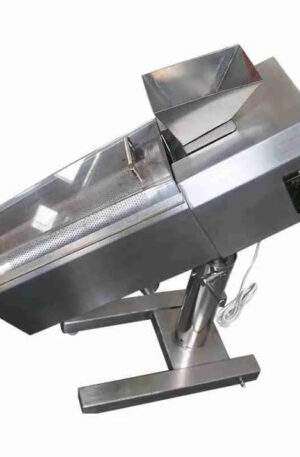
Tablet press machines, also known as tablet compression machines, are essential in the pharmaceutical manufacturing process. These machines are designed to compress powdered ingredients into uniform tablets of precise shapes and sizes. With adjustable pressure and speed settings, TDP machines ensure consistent dosage and quality of medications, meeting industry standards and regulatory requirements.
Capsule Filling Machines (THDP):
Capsule filling machines play a critical role in the efficient production of medications in capsule form. The THDP machines accurately fill empty capsules with powdered ingredients, offering a convenient and standardized method of medication delivery. With varying capacities and output speeds, THDP machines cater to the diverse needs of pharmaceutical companies, ensuring fast and precise filling of capsules.
Functions of Pharmaceutical Machinery:
Precision and Accuracy:
One of the primary functions of pharmaceutical machinery, such as TDP and THDP machines, is to provide precision and accuracy in drug manufacturing. By controlling parameters such as compression force and filling volume, these machines guarantee consistent dosage delivery, minimizing the margin of error in medication production.
Efficiency and Productivity:
Pharmaceutical machinery enhances the efficiency and productivity of drug manufacturing processes. TDP and THDP machines automate critical steps in tablet and capsule production, increasing throughput and reducing manual labor. This improved efficiency enables pharmaceutical companies to meet the growing demand for medications in a timely manner.
Compliance and Quality Assurance:
Maintaining compliance with regulatory standards and ensuring the quality of medications are paramount in the pharmaceutical industry. Pharmaceutical machinery, including TDP and THDP machines, undergo rigorous validation processes to adhere to Good Manufacturing Practices (GMP). By integrating quality control mechanisms, these machines uphold the highest standards of drug quality and safety.
Technological Advancements in Pharmaceutical Machinery:
Automation and Robotics:
The integration of automation and robotics in pharmaceutical machinery is revolutionizing drug manufacturing processes. Automated TDP and THDP machines offer increased speed, accuracy, and precision in tablet and capsule production. Robotics technology optimizes the handling of raw materials and finished products, streamlining operations and minimizing human error.
Industry 4.0 Technologies:
Industry 4.0 technologies, such as Internet of Things (IoT) and data analytics, are reshaping pharmaceutical machinery. TDP and THDP machines equipped with IoT sensors enable real-time monitoring of production parameters, facilitating predictive maintenance and process optimization. Data analytics tools analyze manufacturing data to identify inefficiencies and improve overall equipment effectiveness.
Personalized Medicine:
Advancements in pharmaceutical machinery are driving the development of personalized medicine. TDP and THDP machines support the customization of drug formulations to meet individual patient needs. From adjustable dosage strengths to tailored capsule sizes, these machines enable pharmaceutical companies to deliver personalized healthcare solutions, enhancing patient outcomes and satisfaction.
Conclusion:
In conclusion, pharmaceutical machinery, including advanced technologies like tablet press machines (TDP) and capsule filling machines (THDP), plays a pivotal role in the pharmaceutical industry. These machines uphold precision, efficiency, and quality standards in drug manufacturing, driving innovation and excellence in healthcare. With ongoing technological advancements and a focus on personalized medicine, pharmaceutical machinery continues to revolutionize the way medications are developed and delivered to meet the evolving needs of patients worldwide.