Title: “Revolutionizing Pharmaceutical Manufacturing: The Impact of Pharmaceutical Machinery”
Pharmaceutical machinery has been a cornerstone of drug manufacturing, providing essential equipment to produce medications efficiently and accurately. Over the years, technological advancements have revolutionized the design and functionality of pharmaceutical machinery, leading to significant improvements in the quality, safety, and efficiency of pharmaceutical products.
The evolution of pharmaceutical machinery dates back to the early days of drug manufacturing, where manual processes were prevalent. However, with the introduction of innovative machines, such as tablet press machines and capsule filling machines, the industry witnessed a transformative shift towards automated production. These machines have become indispensable in pharmaceutical manufacturing facilities, enabling precise dosage formulations and streamlined production processes.
One of the key players in pharmaceutical machinery is the tablet press machine, which is used to compress powders into solid tablets of uniform size and weight. Modern tablet press machines, such as the TDP series and THDP series, boast advanced features such as adjustable compression force, speed control, and automated monitoring systems. These capabilities ensure consistent tablet quality and enable pharmaceutical companies to meet strict regulatory requirements.
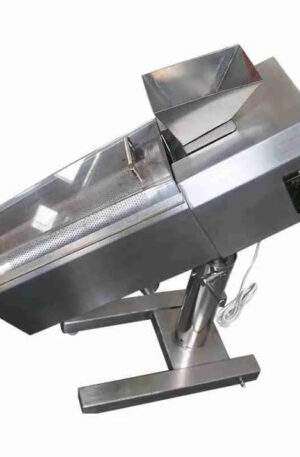
Similarly, capsule filling machines play a crucial role in pharmaceutical manufacturing by accurately filling empty capsules with powders, granules, or liquids. These machines offer high-precision dosing capabilities and can accommodate different capsule sizes and formulations. By automating the capsule filling process, pharmaceutical companies can increase production efficiency and minimize human error.
The advancements in pharmaceutical machinery have not only enhanced the manufacturing process but have also raised the bar for quality control and compliance standards. Pharmaceutical companies are required to adhere to stringent regulations to ensure the safety and efficacy of their products. Modern pharmaceutical machinery is equipped with sophisticated monitoring and control systems that enable real-time quality assurance, traceability, and validation of manufacturing processes.
Innovations such as automation, robotics, and artificial intelligence have further propelled the evolution of pharmaceutical machinery. Automated systems can now perform tasks with speed and precision, leading to increased productivity and cost savings for pharmaceutical manufacturers. Robotics are being used for tasks such as material handling, labeling, and packaging, streamlining the entire production workflow.
In conclusion, the impact of pharmaceutical machinery on drug manufacturing cannot be overstated. The continuous innovation and advancement in machines like tablet press machines and capsule filling machines have revolutionized the pharmaceutical industry, enabling companies to produce high-quality medications efficiently and safely. As technology continues to progress, the future of pharmaceutical machinery holds great promise for further improving drug manufacturing processes and ensuring the delivery of safe and effective medications to patients worldwide.