Title: “Revolutionizing Pharmaceutical Manufacturing: The Role of Pharmaceutical Machinery”
Pharmaceutical manufacturing has witnessed a remarkable transformation in recent years, largely driven by the integration of cutting-edge technology and innovative pharmaceutical machinery. Among the key players in this evolution are the high-speed tablet press machines and capsule filling machines, which have revolutionized the production processes in the pharmaceutical industry.
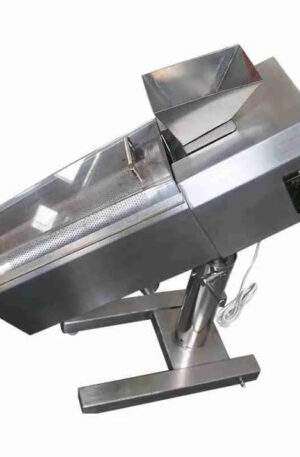
Tablet press machines, such as the TDP (Tablet Press Machine) and THDP (Tablet High-Speed Double Press), have emerged as essential components in pharmaceutical manufacturing facilities. These machines are designed to efficiently compress powdered ingredients into solid tablets of precise size and weight. The TDP and THDP machines utilize advanced technology to ensure uniform tablet compression, high production speeds, and minimal wastage of raw materials. By automating the tablet compression process, these machines not only enhance production efficiency but also improve the consistency and quality of the final products.
Similarly, capsule filling machines have played a crucial role in streamlining the production of pharmaceutical capsules. These machines are engineered to accurately fill empty gelatin or vegetable-based capsules with specific quantities of powdered or liquid medication. By utilizing precision dosing mechanisms and automated filling processes, capsule filling machines ensure that each capsule contains the correct dosage of the active pharmaceutical ingredient. This level of accuracy and efficiency reduces the chances of dosage errors and ensures the safety and efficacy of the pharmaceutical products.
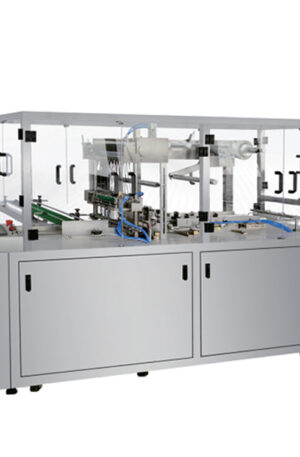
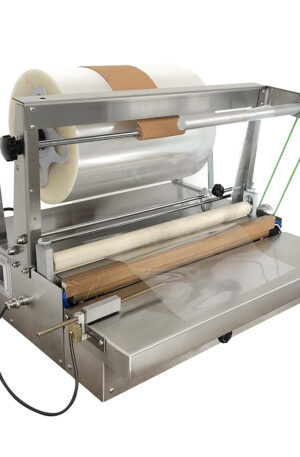
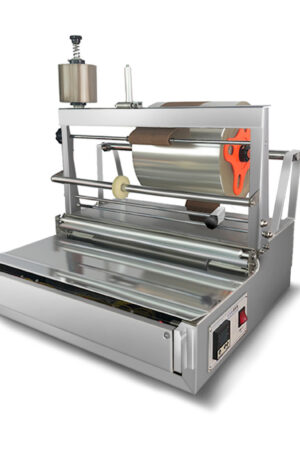
The integration of tablet press and capsule filling machines in pharmaceutical manufacturing facilities has revolutionized the way medications are produced on a large scale. These machines have significantly increased production capacities, reduced manual labor requirements, and improved product quality. Moreover, the automation and digitization of manufacturing processes through these machines have enhanced regulatory compliance by ensuring consistent adherence to quality control standards and manufacturing protocols.
In conclusion, the pharmaceutical machinery, including tablet press machines, capsule filling machines, TDP, and THDP, has played a pivotal role in revolutionizing pharmaceutical manufacturing. The advanced technologies and automation capabilities of these machines have not only increased production efficiency but also elevated the quality and safety standards of pharmaceutical products. As the industry continues to evolve, the role of pharmaceutical machinery will remain indispensable in driving innovation and shaping the future of pharmaceutical manufacturing.