Title: “Revolutionizing Pharmaceutical Production: The Role of Pharmaceutical Machinery”
In the ever-evolving landscape of the pharmaceutical industry, the utilization of advanced technology and state-of-the-art machinery has become paramount in meeting the escalating demand for high-quality, cost-effective pharmaceuticals. Among the key players driving this transformation are the various types of pharmaceutical machinery, including the table press machine (TDP) and capsule filling machine (THDP). These sophisticated machines play a vital role in revolutionizing pharmaceutical production processes, enhancing efficiency, precision, and compliance with regulatory standards.
The table press machine, commonly known as TDP, is a fundamental piece of equipment in the manufacturing of solid dosage forms such as tablets. TDP machines are designed to compact powdered ingredients into precise tablet forms through a series of compression processes. By exerting controlled pressure, TDP machines ensure uniform tablet shape, size, and weight, ultimately contributing to the quality and consistency of pharmaceutical products. With adjustable settings and capabilities for high-speed production, TDP machines have become an indispensable tool in modern pharmaceutical manufacturing facilities.
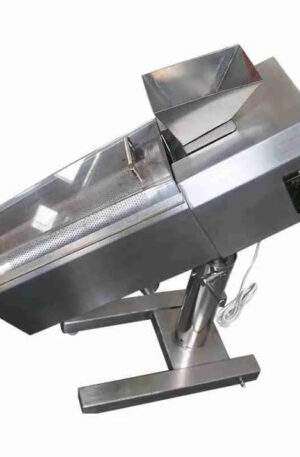
On the other hand, capsule filling machines, including the technologically advanced THDP model, play a critical role in the encapsulation of pharmaceutical formulations. THDP machines are designed to accurately fill empty capsules with precise amounts of powdered or granulated medication, offering a convenient and efficient method for dosage administration. By automating the encapsulation process and ensuring uniform filling, THDP machines streamline production workflows and minimize the risk of dosage variations. This level of precision is crucial in meeting regulatory requirements and maintaining product quality standards in the pharmaceutical industry.
The advancements in pharmaceutical machinery, particularly in the realm of table press machines and capsule filling equipment, have significantly enhanced manufacturing capabilities and product quality. With the integration of automation, robotics, and digital technologies, pharmaceutical machinery has evolved to optimize production efficiency, minimize human errors, and uphold stringent regulatory compliance. Additionally, the adoption of smart features and real-time monitoring systems in modern pharmaceutical machinery enables manufacturers to achieve higher productivity levels and ensure product traceability throughout the production process.
In conclusion, the role of pharmaceutical machinery, including table press machines like TDP and capsule filling machines such as THDP, is indispensable in transforming pharmaceutical production processes. These advanced machines not only enhance operational efficiency and product quality but also ensure compliance with regulatory standards, ultimately benefiting patients by providing access to safe, effective medications. As the pharmaceutical industry continues to evolve, the ongoing advancements in pharmaceutical machinery will play a crucial role in driving innovation and shaping the future of drug manufacturing on a global scale.