Title: The Role of Pharmaceutical Machinery in Drug Manufacturing
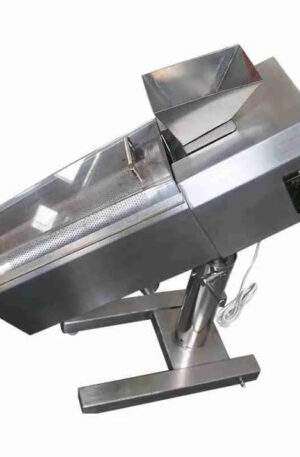
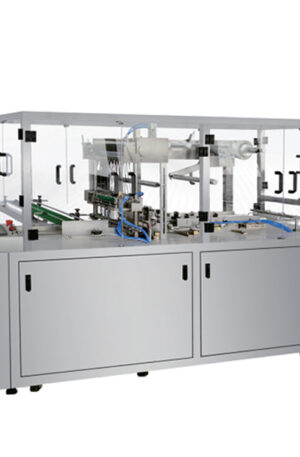
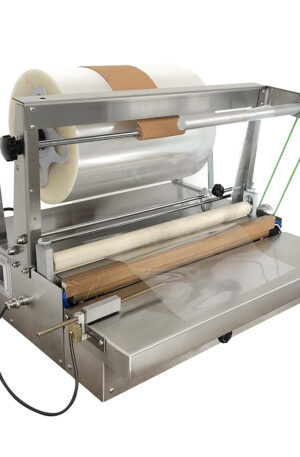
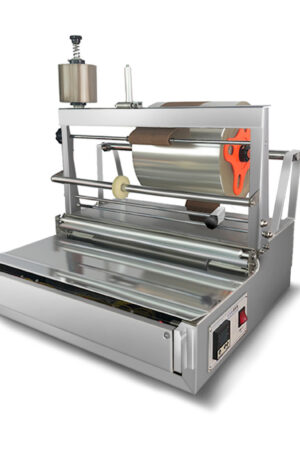
Pharmaceutical machinery is the backbone of the drug manufacturing industry, playing a critical role in ensuring the quality, efficiency, and safety of medications. From the humble tablet press machine to the sophisticated capsule filling machine, these pieces of equipment are the unsung heroes behind the production of life-saving drugs.
Tablet press machines, such as the TDP (Tablet Press Machine) and THDP (Tablet High-Speed Rotary Press), are essential in the manufacturing of tablets. These machines are equipped with punches and dies that compress powdered ingredients into solid tablets of precise weight and dimensions. The TDP, a single-punch tablet press, is commonly used for small-scale production, while the THDP is capable of high-speed production for larger quantities.
On the other hand, capsule filling machines are used to encapsulate powdered or liquid medications into gelatin or vegetarian capsules. These machines ensure accurate dosing and uniform filling of capsules, preventing variations in dosage that could impact the efficacy of the medication. The versatility of capsule filling machines allows pharmaceutical manufacturers to cater to different formulations and dosage forms.
One of the key features of pharmaceutical machinery is its compliance with stringent regulatory standards. The pharmaceutical industry is highly regulated, with strict requirements for safety, quality, and efficacy. Machinery manufacturers design equipment that meets these standards, ensuring that medications produced are of the highest quality and meet regulatory approval.
Moreover, pharmaceutical machinery provides advanced process control capabilities. Modern machines are equipped with sensors and electronic controls that enable real-time monitoring of production parameters such as temperature, pressure, and humidity. This level of control ensures consistency in the quality of medications and minimizes the risk of errors during the manufacturing process.
Innovation in pharmaceutical machinery is also shaping the future of drug manufacturing. Integration of Internet of Things (IoT) and artificial intelligence (AI) technologies is revolutionizing the industry, allowing for predictive maintenance, data analytics, and remote monitoring of equipment. Sustainable solutions are also being developed, with manufacturers focusing on eco-friendly machinery that reduces energy consumption and waste.
Looking ahead, the pharmaceutical machinery industry is poised for further advancements. Personalized medicine is a growing trend, and machinery is being tailored to support the customization of drug formulations based on individual patient needs. Additionally, 3D printing technology is being explored for the on-demand production of pharmaceuticals with complex structures, paving the way for more efficient and flexible manufacturing processes.
In conclusion, pharmaceutical machinery is indispensable in drug manufacturing, ensuring the production of safe, high-quality medications that meet the needs of patients worldwide. As technology continues to evolve and innovations drive the industry forward, pharmaceutical machinery will play an increasingly vital role in shaping the future of healthcare.