Title: The Role of Pharmaceutical Machinery in Modern Drug Production
In the fast-paced world of pharmaceutical manufacturing, the use of advanced machinery is crucial to ensuring the efficiency, quality, and safety of drug production processes. Pharmaceutical machinery encompasses a wide array of equipment and technologies that play a fundamental role in the manufacturing, packaging, and quality control of pharmaceutical products.
One of the key components of pharmaceutical machinery is the tablet press machine, which is essential for the compression of granules and powders into uniform tablets. These machines, such as the Tablet Press Machine (TDP) and the Tablet Press for High-Density Products (THDP), utilize precise mechanisms to ensure the accurate dosage and consistency of tablet formulations. By exerting controlled pressure and force, tablet press machines play a critical role in the production of tablets that meet the stringent requirements of the pharmaceutical industry.
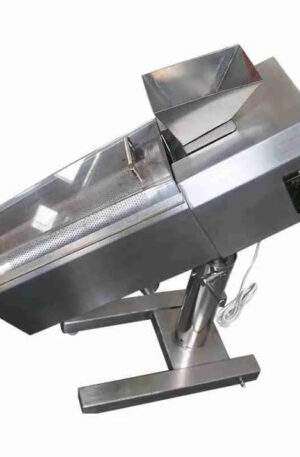
Another vital piece of pharmaceutical machinery is the capsule filling machine, which automates the process of filling powdered or granulated materials into capsules. These machines allow for the efficient and precise encapsulation of pharmaceutical formulations, ensuring uniformity in dosage and content. By streamlining the capsule filling process, pharmaceutical companies can enhance productivity and maintain the quality of their products.
Advancements in technology have revolutionized pharmaceutical machinery, leading to increased automation and accuracy in drug production processes. The integration of robotics in pharmaceutical manufacturing has enabled tasks such as material handling, inspection, and packaging to be carried out with precision and efficiency. Additionally, the implementation of Process Analytical Technology (PAT) tools, such as spectroscopic methods and real-time monitoring systems, has enhanced the quality and consistency of drug production processes.
In recent years, 3D printing technology has emerged as a groundbreaking innovation in pharmaceutical manufacturing. This technology allows for the on-demand production of personalized medicines, enabling the customization of drug formulations to meet individual patient needs. By leveraging 3D printing technology, pharmaceutical companies can deliver tailored treatment options that are optimized for patient outcomes.
Ensuring regulatory compliance and quality assurance is paramount in the pharmaceutical industry. Pharmaceutical machinery must adhere to Good Manufacturing Practices (GMP) and other regulatory standards to guarantee the safety and efficacy of drug products. Regular maintenance, calibration, and validation of pharmaceutical machinery are essential to meet regulatory requirements and uphold quality assurance protocols.
In conclusion, pharmaceutical machinery plays a vital role in modern drug production, facilitating the efficient, precise, and compliant manufacturing of pharmaceutical products. By harnessing advanced technologies such as tablet press machines, capsule filling machines, and 3D printing technology, pharmaceutical companies can innovate and evolve in the ever-changing landscape of the pharmaceutical industry. As technology continues to advance, the importance of pharmaceutical machinery in driving progress and ensuring the well-being of global health cannot be underestimated.