Title: The Role of Pharmaceutical Machinery in Modern Medicine Industry
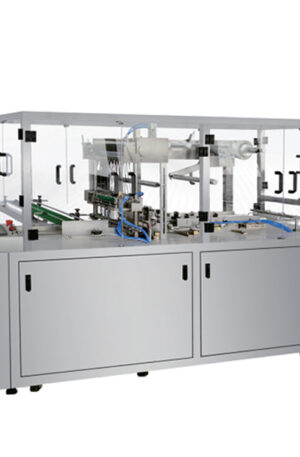
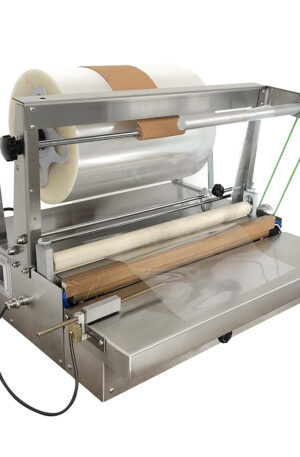
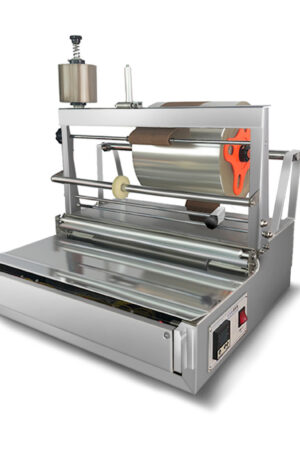
Pharmaceutical machinery plays a pivotal role in the production and manufacturing process of essential medications that are crucial for treating various medical conditions. Among the wide array of pharmaceutical machinery used in the industry, the tablet press machine and capsule filling machine are two key pieces of equipment that contribute significantly to the quality and efficiency of drug manufacturing.
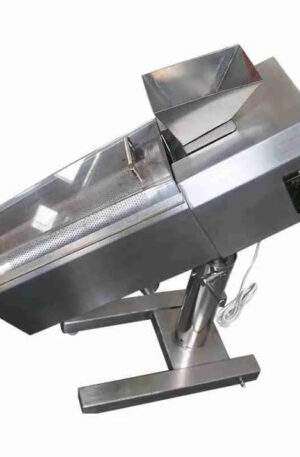
Tablet press machines are integral to the pharmaceutical manufacturing process as they are responsible for converting powders into solid tablets of uniform size and shape. These machines utilize a combination of compression force and dies to create tablets that meet the specific dosage requirements of each medication. One commonly used type of tablet press machine is the TDP (Tablet Press Machine), which is known for its reliability, precision, and ease of operation. The TDP can handle a wide range of tablet sizes and shapes, making it a versatile tool for pharmaceutical manufacturers.
On the other hand, capsule filling machines are essential for filling empty capsules with the desired medication and sealing them for oral consumption. These machines ensure that the medication is accurately dosed and securely enclosed within the capsule, enhancing convenience for patients and healthcare providers. The THDP (Capsule Filling Machine) is a popular choice in the industry due to its high filling accuracy, speed, and ability to handle different sizes of capsules.
The significance of pharmaceutical machinery like tablet press machines and capsule filling machines extends beyond just efficiency and productivity. These machines play a crucial role in ensuring the safety, efficacy, and quality of pharmaceutical products. By producing tablets and capsules with precise dosages and formulations, pharmaceutical machinery helps in reducing the risk of medication errors and inconsistencies, ultimately safeguarding patient health.
As the pharmaceutical industry continues to evolve, advancements in pharmaceutical machinery technology are driving innovation and improving drug manufacturing processes. Automation and robotics are being increasingly integrated into pharmaceutical machinery to streamline production and minimize human error. Additionally, the adoption of IoT (Internet of Things) technology allows real-time monitoring and control of pharmaceutical machinery, enhancing operational efficiency and quality control.
In conclusion, pharmaceutical machinery, including tablet press machines and capsule filling machines, are vital components of the modern medicine industry. These machines ensure the production of high-quality medications that meet regulatory standards and contribute to improved patient care. As technology continues to advance, the role of pharmaceutical machinery in drug manufacturing will remain indispensable in meeting the evolving needs of the healthcare landscape.