Title: The Role of Pharmaceutical Machinery in the Drug Manufacturing Process
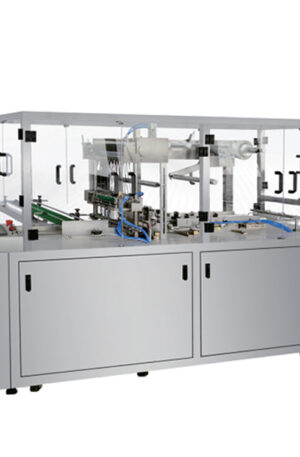
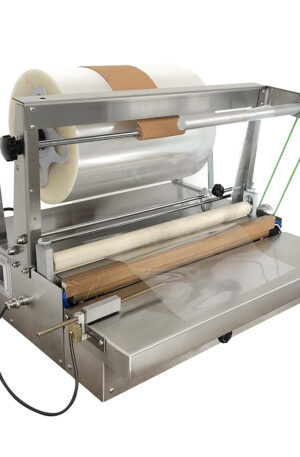
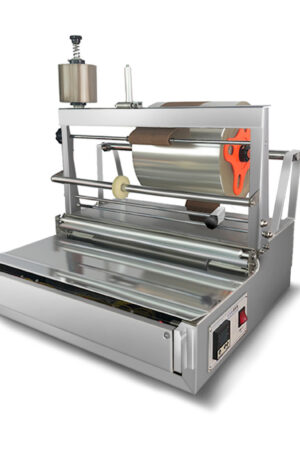
Pharmaceutical machinery plays a crucial role in the drug manufacturing process, ensuring the production of high-quality medications that meet strict industry standards. Two essential types of pharmaceutical machinery frequently used in drug manufacturing are the table press machine and the capsule filling machine.
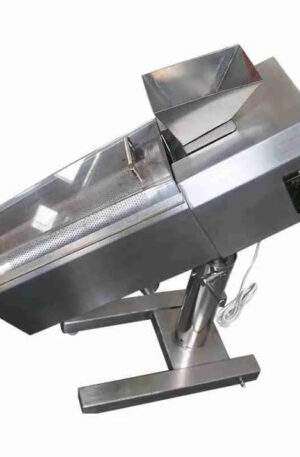
Table press machines, such as the TDP (Tablet Press) and THDP (Triple Head Tablet Press), are commonly used in the pharmaceutical industry to produce tablets of various shapes and sizes. These machines compress powdered ingredients into solid tablets through a process that involves feeding powder into the die cavity, compressing the powder under high pressure, and ejecting the formed tablet. The TDP and THDP machines are highly efficient and precise, allowing for the mass production of tablets with consistent quality and dosage.
On the other hand, capsule filling machines are employed to fill empty gelatin or HPMC capsules with powdered or granulated medication. These machines consist of different stations for separating, filling, and sealing the capsules. The capsule filling process involves loading empty capsules into the machine, filling them with the desired medication, and sealing the capsules to create the final product. Capsule filling machines are versatile and can accommodate various capsule sizes and configurations, making them ideal for producing a wide range of medications.
In drug manufacturing, the use of pharmaceutical machinery like table press and capsule filling machines offers numerous advantages. These machines improve production efficiency by automating the tablet and capsule manufacturing processes, reducing the risk of errors and ensuring consistent product quality. Additionally, pharmaceutical machinery enables manufacturers to meet the high demand for medications while adhering to stringent regulatory requirements and quality standards.
Furthermore, advancements in pharmaceutical machinery technology have led to the development of innovative features that enhance manufacturing efficiency and product quality. Modern table press machines and capsule filling machines are equipped with computerized controls, precision dosing systems, and quality assurance sensors to optimize the production process and ensure the accuracy of dosages. These technological enhancements not only streamline manufacturing operations but also contribute to the overall safety and efficacy of the medications produced.
In conclusion, pharmaceutical machinery such as table press machines and capsule filling machines play a vital role in the drug manufacturing process by facilitating the efficient production of high-quality tablets and capsules. The use of advanced machinery in pharmaceutical manufacturing ensures that medications are produced reliably, accurately, and in compliance with industry standards. As technology continues to evolve, pharmaceutical machinery will continue to evolve as well, driving innovation and excellence in the pharmaceutical industry.